
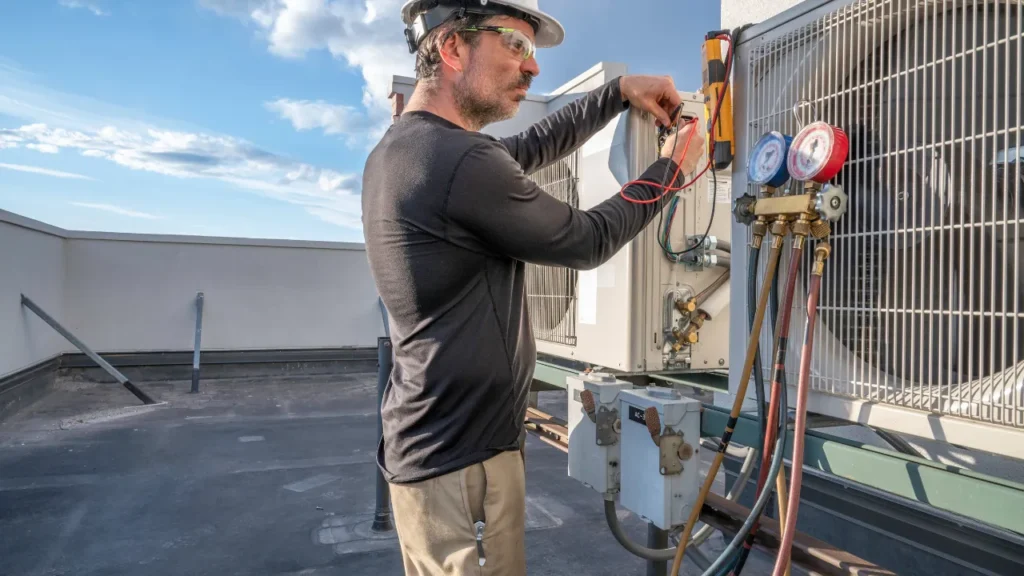
Energy efficiency has become a top priority for homeowners who want to save money while maintaining indoor comfort. Heating and cooling systems are among the largest energy consumers in any household, often accounting for nearly half of total utility costs. Fortunately, advancements in smart HVAC technology have made it easier than ever to reduce waste, optimize performance, and lower monthly expenses. These systems use intelligent automation, precise control, and real-time data to improve comfort without excessive energy use. By integrating smart HVAC solutions into your home, you can significantly reduce costs and enhance long-term efficiency.
Upgrading to Smart Thermostats for Better Control
One of the most effective ways to lower energy costs is by upgrading to a smart thermostat. Unlike traditional models that maintain a fixed temperature, smart thermostats automatically adjust settings based on occupancy, weather, and user preferences. This ensures energy is used only when necessary, reducing waste during unoccupied hours. Many models connect to mobile apps, allowing homeowners to control their systems remotely and monitor usage in real time. Over time, these thermostats learn behavioral patterns, automatically optimizing settings for maximum comfort and efficiency. Some can even detect open windows or temperature fluctuations, adjusting output to maintain stability. The result is consistent comfort and lower monthly bills. By combining automation with real-time feedback, smart thermostats make energy conservation effortless while helping prolong the lifespan of your HVAC system.
Integrating Zoning Systems for Precise Temperature Management
Zoning systems are another effective way to save energy by giving homeowners greater control over heating and cooling distribution. Instead of conditioning the entire home equally, zoning allows specific areas to be regulated independently based on need. For example, rooms that are rarely used can remain at moderate temperatures while frequently occupied spaces receive more focused airflow. This precision helps eliminate unnecessary energy waste and enhances comfort throughout the home. Proper zoning also reduces the strain on HVAC equipment, allowing it to run more efficiently and last longer. Homeowners who invest in smart zoning systems can expect noticeable savings, especially in larger properties. Professionals providing HVAC service in Citrus Heights often recommend zoning solutions as a practical way to lower monthly energy costs. With automated temperature control in each zone, homeowners can maintain a comfortable environment without overworking the system, leading to both comfort and cost efficiency.
Utilizing Smart Sensors for Energy Optimization
Smart sensors play a crucial role in modern HVAC efficiency by providing real-time feedback on temperature, humidity, and occupancy levels. These devices detect environmental changes and communicate with the central system to automatically adjust heating or cooling output. For instance, if a room is unoccupied, sensors signal the system to reduce energy use, preventing unnecessary operation. This level of responsiveness improves comfort while significantly reducing energy waste. Humidity sensors can also help maintain indoor air balance, which is essential for both efficiency and air quality. When the air is too humid or too dry, the system compensates accordingly, optimizing energy usage. Data collected from sensors provides valuable insights into energy consumption patterns, enabling homeowners to make informed decisions about usage and maintenance. By integrating smart sensors into your HVAC system, you gain precision control, ensuring the right balance between comfort and conservation year-round.
Leveraging Energy Monitoring and Smart Analytics
Smart HVAC systems often include advanced energy monitoring capabilities that give homeowners a clear picture of their energy consumption. These systems track data such as runtime, temperature fluctuations, and peak usage hours, then generate detailed reports to highlight inefficiencies. By analyzing this data, homeowners can identify patterns and make adjustments to reduce costs. For instance, identifying peak consumption periods can help determine when to schedule heating or cooling to avoid overuse. Smart analytics can also send alerts when components begin to operate inefficiently, prompting timely maintenance before energy waste escalates. This predictive functionality not only saves money but also prolongs system life. With these insights, homeowners can make data-driven decisions about temperature management, insulation improvements, or equipment upgrades. Energy monitoring transforms HVAC maintenance from a reactive task into a proactive strategy, ensuring continuous optimization of energy efficiency without sacrificing comfort or performance.
Incorporating Variable-Speed Systems for Maximum Efficiency
Traditional HVAC systems operate at a single speed—either fully on or completely off—which often leads to energy waste and uneven comfort. Variable-speed systems, on the other hand, adjust airflow and compressor speed in response to real-time needs. This allows the system to maintain consistent indoor temperatures without unnecessary cycling. The result is smoother operation, improved comfort, and lower energy consumption. These systems also reduce humidity levels more effectively by running at slower speeds for longer periods, ensuring a more balanced environment. Over time, the reduced wear on components leads to fewer repairs and longer system life. Integrating variable-speed technology into your HVAC setup is one of the most impactful steps toward energy efficiency. It ensures the system uses only the energy required, improving both comfort and cost control. When paired with smart thermostats and sensors, it becomes part of a seamless energy-saving solution that adjusts automatically to your home’s needs.
Optimizing Airflow and Ventilation Efficiency
Proper airflow is essential for maintaining HVAC efficiency. When vents are blocked or ducts are dirty, the system must work harder to distribute air, wasting energy and increasing wear and tear. Smart HVAC systems can detect pressure changes or restricted airflow and alert homeowners before these issues affect performance. Regular duct cleaning and proper vent placement enhance air distribution, ensuring consistent temperatures throughout the home. Advanced ventilation systems can also automatically balance air intake and exhaust, maintaining indoor air quality while minimizing energy use. These systems ensure that conditioned air isn’t lost through leaks or inefficiencies, keeping your home comfortable without unnecessary energy expenditure. Proper airflow also improves filtration efficiency, reducing strain on the unit. By keeping air circulation balanced and unobstructed, homeowners can enjoy both cleaner indoor air and lower energy bills. Combining smart ventilation with routine maintenance keeps the system running efficiently and extends its lifespan.
Maintaining Consistency Through Preventive Care
Even with smart technology, regular maintenance remains critical to sustaining efficiency. Smart systems can alert homeowners when it’s time for filter changes, coil cleaning, or professional inspections. Ignoring these alerts can lead to reduced efficiency and higher energy costs. Keeping filters clean ensures that the system runs smoothly, while well-maintained coils and fans enhance airflow and temperature regulation. Scheduling annual tune-ups helps catch potential issues early, preventing unexpected breakdowns and energy waste. Consistent care ensures that smart components like thermostats and sensors perform accurately. Preventive maintenance complements smart automation by keeping every part of the system functioning as intended. Homeowners who stay proactive with maintenance can enjoy steady energy savings and comfort year-round. Together, technology and upkeep create a long-term solution for reducing costs and improving performance. A well-maintained smart HVAC system delivers both immediate and lasting energy-efficiency gains.
Smart HVAC solutions provide an intelligent way to reduce energy consumption and lower monthly bills. From zoning systems and sensors to variable-speed technology and analytics, each innovation contributes to better control, efficiency, and comfort. The combination of automation and real-time feedback allows homeowners to make smarter energy decisions while minimizing waste. When paired with consistent maintenance and good operating habits, these systems deliver impressive long-term savings. Investing in smart HVAC technology is not just about convenience—it’s about creating an energy-efficient home that adapts to your lifestyle. The result is a more comfortable environment, reduced costs, and sustainable performance year after year.