
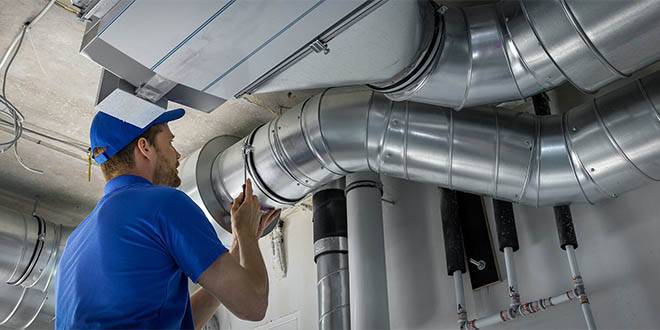
The foundation of indoor comfort often begins in areas of the home that most people never see—inside walls, attics, and crawl spaces where ductwork quietly moves conditioned air from one room to another. Even the most efficient heating and cooling system can struggle if the ducts that support it are leaking, poorly arranged, or unbalanced. A well-built home depends on smooth, direct airflow free from avoidable losses. We will explore how proper duct sealing and thoughtful layouts create a more consistent indoor environment, reduce equipment strain, and support healthier indoor air quality throughout the home.
Key Reasons Proper Duct Sealing and Layout Matter
1. Airflow Efficiency and Consistent Temperature Control
Quality ductwork starts with ensuring that the path air travels is as efficient and unobstructed as possible, something a reliable HVAC company serving Peoria can help homeowners achieve with proper assessment and improvements. When ducts are poorly designed, contain unnecessary turns, or are built with mismatched sizes, airflow becomes restricted. This restriction forces heating and cooling equipment to work harder, leading to uneven temperatures, increased noise, and reduced comfort across different rooms. Sealing gaps and cracks along duct joints prevents air from escaping before it reaches its intended destination, allowing the system to deliver consistent airflow.
Over time, this also helps maintain stable temperatures throughout the home, minimizing the hot and cold spots that are common in houses with aging or improperly installed duct systems. With tight seals and an organized layout, every room receives the conditioned air it was meant to, creating a more comfortable and predictable indoor climate.
2. Energy Savings and Reduced Utility Costs
Energy loss through ducts is one of the leading causes of high utility bills in homes with forced-air systems. When ducts leak, up to 30% of conditioned air can be lost into attics, crawl spaces, or wall cavities. This not only wastes energy but also forces heating and cooling units to run longer to meet the home’s temperature demands. Investing in duct sealing immediately minimizes this loss, helping energy stay where it belongs. A well-planned duct layout further supports efficiency by reducing travel distances and eliminating sharp bends that cause pressure drops. With shorter, straighter runs and sealed joints, the system operates more smoothly and requires less energy to move air.
Over the lifetime of an HVAC system, these improvements can significantly reduce long-term operating costs while lowering daily energy usage. The impact becomes especially noticeable during extreme seasons when equipment is under greater demand. When ducts are sealed and arranged thoughtfully, the entire system runs more efficiently, lowering household expenses without sacrificing comfort.
3. Improved Indoor Air Quality and Household Health
The condition of a home’s ductwork directly affects the quality of air its occupants breathe. When ducts have leaks, they can pull contaminants from unconditioned spaces into the airflow. Dust, insulation fibers, mold spores, and even outdoor pollutants can enter through gaps and mix with the air distributed throughout the home. Proper sealing helps prevent this by ensuring that only filtered, conditioned air moves through the system. A well-designed duct layout also promotes balanced airflow, preventing stagnation and supporting proper ventilation. This limits areas where moisture can accumulate and reduces the risk of mold growth.
Cleaner air circulation is especially important for households with children, older adults, or anyone with allergies. By maintaining tight duct connections and designing airflow paths that promote steady airflow, the home environment becomes healthier and more stable. Over time, improved ventilation enhances overall comfort while reducing respiratory irritants and airborne dust accumulation.
4. Extended HVAC System Longevity and Fewer Repairs
Heating and cooling systems depend on a smooth, unobstructed airflow to function properly. When ductwork restricts airflow or leaks significant amounts of air, the equipment must work harder to compensate. This added strain often leads to premature component wear, frequent breakdowns, and a shortened system lifespan. Sealed ducts help reduce this pressure by ensuring the conditioned air actually reaches the intended living areas. A thoughtful layout that minimizes resistance keeps the system running at an ideal load, reducing the risk of overheating or over-cycling.
Over time, a well-constructed duct system can save homeowners from costly repairs and early equipment replacement. Regular inspections, combined with proper sealing and layout adjustments, support long-term reliability. By reducing unnecessary stress on the HVAC unit, homeowners benefit from smoother operation, fewer disruptions, and a more dependable heating and cooling experience year-round.
Quality duct sealing and thoughtful duct layout form the backbone of a comfortable and efficient home. These components affect not only airflow but also energy costs, air quality, and equipment longevity. A well-sealed and well-designed duct system supports consistent temperatures, healthier air circulation, and reduced strain on the HVAC unit. By paying careful attention to these often-overlooked details, homeowners can enjoy a more reliable, cost-effective indoor environment for years to come.