
Mental health concerns, including anxiety, depression, trauma, and relationship difficulties, impact millions of people worldwide. Addressing these issues is crucial for achieving better well-being and living a fulfilling life. By understanding effective therapy approaches and integrating practical self-care strategies, individuals can find meaningful steps toward healing. Working with supportive professionals, such as those at AMK Counseling, can help individuals navigate their path to mental wellness.
There is a range of evidence-based therapies designed to meet specific needs, as well as innovative alternatives that expand healing options. Taking an active role in treatment and personal growth empowers individuals to overcome mental health obstacles and improve their relationships and quality of life.
Cognitive Behavioral Therapy (CBT)
CBT is a structured, evidence-based therapy that helps individuals identify and challenge harmful thought patterns. By replacing negative beliefs and behaviors with healthier, more constructive alternatives, CBT can reduce symptoms of anxiety, depression, and other mental health conditions. CBT is highly adaptable, making it effective for a wide range of issues, including stress management and relationship difficulties. The American Psychological Association highlights that CBT is among the most effective treatments for mood and anxiety disorders.
Trauma-Focused Cognitive Behavioral Therapy (TF-CBT)
TF-CBT is tailored to help individuals, especially children and adolescents, who have experienced trauma. Integrating cognitive-behavioral techniques with trauma-sensitive interventions, TF-CBT addresses both the cognitive impact of trauma and the development of healthy coping skills. Sessions may include psychoeducation, relaxation skills, exposure exercises, and building family support. According to the National Child Traumatic Stress Network, TF-CBT is proven to reduce symptoms of PTSD and emotional distress following trauma.
Virtual Reality Therapy
Virtual Reality Therapy provides an immersive approach to treating conditions such as phobias, PTSD, and anxiety disorders. Using VR technology, therapists can safely expose clients to triggering situations in a controlled environment. This hands-on method allows individuals to confront and process fears and trauma without real-world consequences. Clinical trials have demonstrated that Virtual Reality Exposure Therapy is effective for reducing PTSD and anxiety symptoms in both civilian and veteran populations. For details on current research, visit this review of VR therapy outcomes from the National Institutes of Health.
Art Therapy
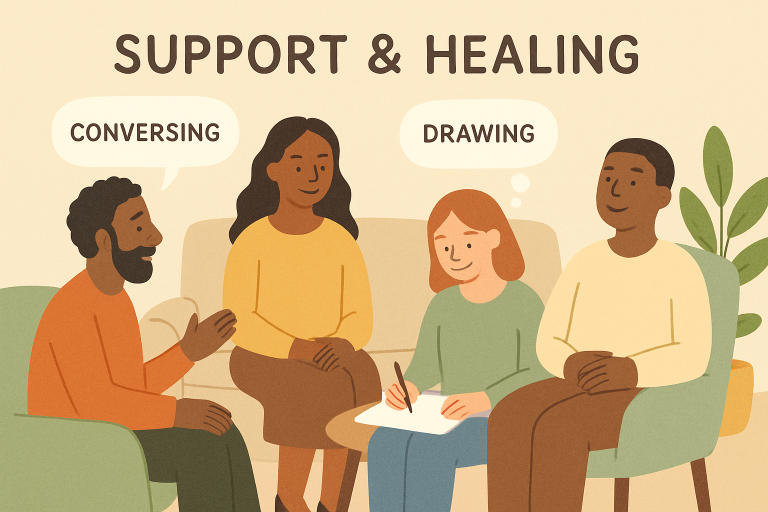
Art Therapy uses creative expression as a way to process and communicate complicated emotions tied to anxiety, depression, and trauma. Working with a qualified art therapist, individuals produce artworks that can help resolve emotional pain and enhance self-awareness. Art Therapy also strengthens coping mechanisms and supports personal growth. Research indicates that engaging with art in a therapeutic setting promotes emotional healing and empowerment, especially for trauma survivors and those struggling with long-standing emotional issues. For more insights, see this Healthline article on Art Therapy’s benefits.
 Eye Movement Desensitization and Reprocessing (EMDR)
EMDR is a distinctive therapy that eases the distress associated with traumatic memories. During EMDR sessions, therapists guide clients through a structured protocol that includes recalling traumatic experiences while performing bilateral eye movements. This process is thought to help reprocess and resolve complex emotional reactions. EMDR is widely recognized as a top intervention for PTSD and is also effective for anxiety and depressive disorders. Learn more about EMDR Therapy from the Mayo Clinic.
Self-Care and Emotional Resilience
Maintaining robust mental health requires integrating self-care and emotional resilience strategies into daily life. Regular exercise, good nutrition, and restful sleep underpin emotional wellness. Mindfulness practices, such as meditation and deep-breathing exercises, also bolster resilience against stress. Developing hobbies, cultivating supportive relationships, and prioritizing enjoyable activities provide additional emotional support and promote recovery. Practicing these habits regularly can help sustain treatment benefits and prevent relapse into old patterns.
Seeking Professional Help
While self-help strategies are valuable, engaging with a licensed therapist is critical when addressing complex or persistent mental health issues. Therapists offer tailored treatment plans, a safe environment for emotional processing, and professional guidance through the challenges of anxiety, depression, trauma, or relationship struggles. Building a strong therapeutic alliance can foster trust and facilitate personal growth. It is essential to seek help from experienced professionals you trust, setting the stage for successful therapy outcomes.
Whether facing anxiety, depression, trauma, or ongoing relationship challenges, gaining awareness of effective therapeutic options and integrating supportive daily habits can significantly improve emotional healing and resilience. Counseling, psychotherapy, and evidence-based treatments offer guidance tailored to individual needs, while practices such as mindfulness, routine self-care, and healthy communication reinforce progress between sessions. Accessing the support of qualified mental health professionals provides structure, accountability, and compassionate insight. With the right resources and consistent care, individuals can restore balance, strengthen coping skills, and move toward improved well-being and a more fulfilling quality of life.