
Maintaining a reliable sewer system is essential for both homeowners and businesses. Aging pipe systems and unexpected damage can quickly lead to significant disruptions, costly repairs, and safety hazards. Traditional sewer repair techniques often require extensive excavation that disrupts landscaping, hardscape, and daily routines. Fortunately, the industry now benefits from a range of modern, less invasive sewer repair technologies designed to minimize inconvenience and maximize efficiency. For those seeking expert help in the sector, Denver Sewer and Water offers professional services that leverage many of these modern solutions to efficiently and effectively handle any sewer issues.
Not only do property owners save time and money with these methods, but the improved repair processes also protect surrounding environments and infrastructure. As cities and homeowners look to the future, trenchless tactics and high-tech diagnostics are making sewer repairs faster, safer, and more sustainable than ever before.
Trenchless Technologies
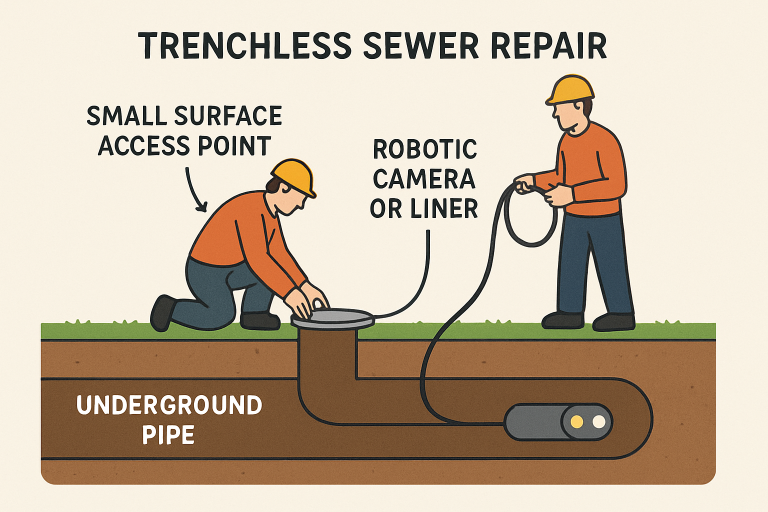
Trenchless sewer repair technologies have transformed the way aging or damaged pipes are addressed. Instead of excavating large areas of landscaping or pavement, trenchless solutions use access points to repair or replace underground pipes without disrupting the surface. Homeowners and municipalities benefit from reduced property damage, significantly shorter timelines, and lower labor costs. A success story from Charleston County, South Carolina, demonstrates this method’s impact: they used trenchless technologies to repair stormwater pipes and prevent sinkholes while maintaining neighborhood integrity. For more details, the county’s recent implementation has been highlighted in local infrastructure news.
Trenchless options also allow work to proceed in busy urban areas or areas with mature landscape features, reducing overall inconvenience for property owners. Modern innovations in this space have become a preferred option for many municipalities across the United States.
 Cured-in-Place Pipe (CIPP)
Cured-in-Place Pipe (CIPP) is a widely adopted trenchless rehabilitation method. It involves threading a flexible, resin-soaked liner through damaged sections of existing pipe via a small access point. Once correctly positioned, the liner is cured, usually with hot water, steam, or UV light, which hardens the resin and forms a new, durable inner pipe lining. This process is minimally invasive and can effectively restore the structural integrity of pipes without excavation. Cities like Lawrence, Kansas, have begun implementing CIPP to support widespread municipal improvements, reducing costs and minimizing inconvenience for residents.
Despite CIPP’s many advantages, recent studies raise concerns about chemical emissions during installation, which could pose temporary health risks for nearby residents or workers. Awareness of best practices and proper ventilation is essential when using this approach on residential or commercial properties.
Pipe Bursting
Pipe bursting is another trenchless technique commonly used to replace severely deteriorated pipes. In this process, a burinnovative head is inserted into the existing pipeline and pulled through, breaking apart the old pipe while simultaneously drawing in a new one of equal or larger diameter behind it. This method is ideal for complete pipe replacement and is especially useful where upsizing is necessary to meet modern demand. Pipe bursting has been successfully used by industry leaders in metropolitan areas like Seattle, helping manage both emergency replacements and long-term infrastructure upgrades.
Unlike spot repair techniques, pipe bursting provides a comprehensive solution for problems such as root intrusion, cracks, or undersized pipes, streamlining upgrades for homeowners and municipal systems alike.
Robotic Inspections
Advances in robotic inspection technology have made sewer system diagnostics faster and more precise. Small, remotely controlled robotic cameras are deployed within pipes to deliver real-time, high-definition video that identifies blockages, structural weaknesses, and other hidden issues. These smart tools reduce guesswork and avoid unnecessary digging, leading to better-targeted repairs and less disruption. Emerging research focuses on using artificial intelligence to improve defect detection in these inspections, further increasing reliability and reducing human error.
Regular robotic inspections can also extend the service life of sewer systems by pinpointing potential issues before they become emergencies, supporting the move toward preventative maintenance over crisis management.
Eco-Friendly Approaches
Environmental sustainability is increasingly important in modern sewer repair. Trenchless methods naturally support green goals by minimizing soil disturbance, reducing heavy equipment use, and preserving green spaces. Some companies are taking extra steps to incorporate renewable materials, water recycling, or biodegradable resins in their repair processes. Homeowners and cities focused on eco-conscious upgrades can look for contractors that champion these practices, helping to lower the repair industry’s overall carbon footprint. According to the Environmental Protection Agency (EPA), green infrastructure and reduced excavation also help improve urban resilience.
Cost Considerations
Choosing the right sewer repair approach involves understanding both the upfront costs and long-term value. While trenchless methods often cost less in labor and restoration than traditional excavation, overall project costs depend on factors such as pipe length, depth, and accessibility. For instance, CIPP has reduced costs for municipalities, as seen in the City of Lawrence, where it costs less than $34 per foot compared to over $300 per foot for open-trench replacement. However, specialty techniques or complex environments may alter the final price. Consulting with professionals who can assess your unique needs will help clarify the most cost-effective options for your situation.
Choosing the Right Solution
The best sewer repair method for any property depends on the condition of the pipes, urgency, regulatory requirements, and budget. A thorough inspection and consultation with experienced contractors are crucial steps in selecting a tailor-made approach. Transparent communication, understanding the unique pros and cons of each method, and prioritizing reliable technology make all the difference in ensuring a long-lasting solution for your sewer needs.
Conclusion
Modern solutions for sewer repair offer streamlined, durable, and environmentally sensitive alternatives to traditional excavation. By embracing trenchless technology, CIPP, pipe bursting, and robotic diagnostics, property owners and municipalities can maximize efficiency and minimize disruption. Staying informed and selecting experienced professionals is the key to maintaining a healthy infrastructure well into the future.