Today’s businesses operate in an era defined by rapid technological change and heightened expectations for digital performance. Without a dependable IT framework, companies risk interruptions that can cause productivity loss, reputational harm, and financial setbacks. IT systems must seamlessly support daily activities, safeguard data integrity, and enable flexible adaptation to evolving business needs. For expert guidance and modern approaches, organizations often turn to proven partners such as CIO Solutions, which offer tailored IT services to help businesses stay resilient amid industry shifts.
Investing in robust IT solutions is now essential not only for operational stability but also for empowering innovation, collaborative workflows, and informed decision-making. Outages, sluggish networks, or security gaps can swiftly disrupt the customer experience and erode trust. Building a reliable IT foundation is about more than just avoiding downtime. It is a critical driver of efficiency, growth, and competitive edge.
Importance of Reliable IT Solutions
The foundational role of IT is evident across sectors, from healthcare to finance to manufacturing. Reliable solutions facilitate uninterrupted communication, real-time data access, and secure collaboration. When technical issues occur, the consequences can be swift and significant: delays in service delivery, dissatisfied customers, loss of business, or even legal exposure from breaches. For example, a 2024 Forbes report noted that even 1 hour of IT disruption costs SMBs tens of thousands of dollars on average, with major enterprises facing even higher losses.
Beyond loss prevention, reliable IT solutions also help organizations scale and adapt. Regular updates, security monitoring, and proactive maintenance enable support for remote teams, advanced analytics, and new customer engagement platforms. The result is not only greater efficiency but a stronger ability to pivot as technology or market conditions change.
Key Components of Effective IT Infrastructure
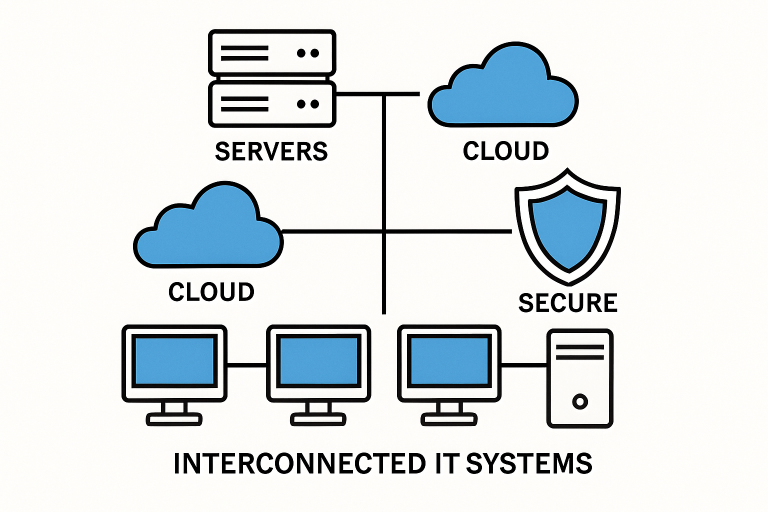
Building a modern, secure, and dependable IT infrastructure requires integrating a range of core components:
- Network Security: Firewalls, endpoint protection, and monitoring tools are vital for preventing and detecting unauthorized access and cyber threats.
- Cloud Computing: Scalable cloud services allow companies to adjust resources as needs change and facilitate secure access from anywhere.
- Data Backup and Recovery: Reliable backup protocols and tested recovery plans ensure business continuity in the face of system failure or data breaches.
- Hardware and Software Management: Routine upgrades and lifecycle management keep equipment and applications running optimally and mitigate performance risks.
Proper IT infrastructure goes beyond assembling components. An integrated approach supports interoperability, simplifies oversight, and reduces points of failure.
Benefits of Managed IT Services
Many businesses rely on managed service providers (MSPs) to handle critical IT functions. Outsourcing to MSPs brings advantages that are hard to replicate in-house, particularly for small and mid-sized companies:
- Cost Efficiency: Managed services lower the expense of hiring and retaining a full internal IT staff and reduce long-term capital investments.
- Access to Expertise: Businesses gain a team of professionals with access to the latest technology, compliance strategies, and industry trends, without the need for direct recruitment.
- Proactive Maintenance: MSPs deliver continuous monitoring, scheduled updates, and problem resolution before disruptions escalate.
- Scalability: Services can be right-sized as the business grows or contracts, avoiding costly overprovisioning.
Managed IT service models typically span onsite and remote support, co-managed arrangements, cybersecurity coverage, and consulting on tech modernization. Subscription-based MSP arrangements increase financial predictability for IT spend, while also supporting the rising need for remote and hybrid work environments.
Emerging Trends in IT Solutions
To remain agile and future-ready, businesses must monitor and leverage emerging trends in IT:
- Artificial Intelligence and Automation: AI-powered platforms are simplifying system monitoring, automating threat detection, and reducing the manual workload for IT teams.
- Zero Trust Security: This security model, gaining widespread adoption, assumes no device or user is trusted by default and enforces strict identity verification policies.
- Remote Work Solutions: Cloud-hosted desktops, secure VPNs, and collaborative tools are critical to supporting hybrid and fully remote teams.
- Sustainable IT Practices: Eco-friendly approaches, such as energy-efficient data centers and hardware recycling, appeal to stakeholders who expect environmental responsibility.
Keeping pace with these trends requires ongoing assessment of technology strategies. Forward-thinking organizations continuously evaluate how the latest tools can drive efficiency, reduce risk, and maximize value for customers and employees alike.
Choosing the Right IT Service Provider
The decision to engage an IT service provider can shape the trajectory of business growth for years to come. Evaluation criteria should include:
- Industry Experience: Providers with a proven track record in your field are better equipped to anticipate and address sector-specific challenges.
- Service Range: A robust portfolio of offerings, from cybersecurity to cloud migration to help desk support, ensures alignment with immediate and evolving needs.
- Scalability and Flexibility: Ensure the provider can adapt to your company’s growth and evolving requirements without disruption.
- Support Availability: Round-the-clock support is crucial for minimizing downtime and maintaining operational continuity, especially for distributed teams.
- Security Standards: Assess their commitment to best practices in cybersecurity, compliance, data protection, and risk mitigation.
References, client testimonials, and third-party industry reviews can be valuable resources in narrowing down credible options.
Conclusion
Reliable IT solutions are fundamental for business continuity, innovation, and competitive advantage. By investing in key infrastructure components, embracing managed services, staying aware of emerging trends, and carefully selecting technology partners, organizations can navigate today’s complex IT environment with confidence and agility.