
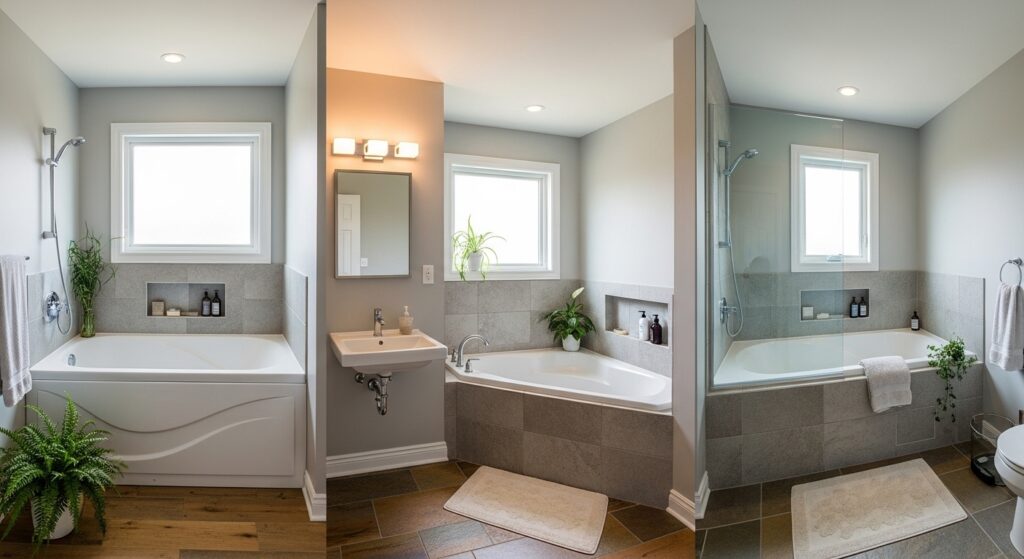
Designing a small bathroom calls for creative strategies that do not sacrifice comfort or style. With the right approach, even the tightest spaces can become elegant retreats. Prioritizing smart tub designs is crucial when planning a remodel, as each fixture must fit seamlessly while offering practical functionality. One of the most impactful decisions is whether to opt for a sleek tub upgrade or a full bathroom tub replacement. This choice can shape the layout and usability of the space for years to come.
Incorporating innovative tub solutions, choosing adaptable materials, and paying attention to color and storage can help achieve a clutter-free, airy feel that maximizes your square footage. Small bathrooms demand that every inch counts, and clever product selection can transform even the narrowest room into a spacious oasis. Homeowners should also look for easy-to-clean surfaces and timeless finishes to ensure longevity and style.
Compact Tub Options
Space-saving bathtubs have become increasingly popular as more homeowners seek efficient bathroom layouts. Compact tubs, typically 55 to 65 inches long, are designed for small bathrooms. Brands now offer deep soaking designs, allowing for a luxurious bath without the oversized footprint. Oval and round models are especially suited for narrow spaces and provide an ergonomic soaking experience despite their smaller scale. Choosing a tub with a minimal footprint can free up valuable floor space for additional essentials, such as shelving or a vanity. This makes them a practical choice for maximizing functionality in limited spaces. Additionally, their stylish designs can enhance the overall aesthetic of modern bathrooms, combining function with form.
Freestanding Tubs for Small Spaces
Freestanding tubs no longer belong solely in sprawling spa bathrooms. Contemporary freestanding tubs now come in compact sizes and slimmer silhouettes tailored for tighter quarters. Their versatility in placement, including setting them diagonally in a corner, unlocks valuable space for storage or pathways. This type of fixture can serve as a striking focal point and create an airy, open-feeling layout.
Corner Tubs
Utilizing every nook and cranny in a small bathroom makes corner tubs an increasingly desirable solution. These tubs fit snuggly into unused corners, combining the comfort of a standard-sized tub with a much smaller footprint. Corner tubs help open up the rest of the bathroom for storage or seating, and their asymmetrical designs can create a unique sense of flow. A corner tub is ideal when a standard rectangular model simply will not fit, and many offer built-in shelving or deck space for toiletries as a bonus.
Shower-Tub Combinations
Combining a shower and bathtub into a single, efficient unit is an effective way to save space and increase functionality in small bathrooms. By eliminating the need for two separate fixtures, homeowners can keep the footprint small while accommodating varied preferences. Selecting a frameless glass door or a clear curtain allows more light to flow through, enhancing the perception of overall size. These versatile combos are especially appealing to families who need the option of a bath for children or a quick shower for adults.
Built-In Storage Solutions
Clutter can make a small bathroom feel even more cramped, so incorporating clever storage is essential. Built-in shelving within the wall, such as recessed niches in showers or above tubs, keeps toiletries within reach without taking up floor space. Floating shelves, towel cubbies, and wall-mounted cabinets use vertical space that is typically unused and add significant storage. For homeowners who value organization, opt for cabinetry with integrated dividers or hidden pullout bins to reduce visual chaos and keep essentials neatly stowed.
Light Colors and Reflective Surfaces
Color plays a powerful role in defining the mood and visual spaciousness of a bathroom. Light shades such as soft whites, gentle grays, or calming pastels can make a space feel open and inviting. Glossy tiles, glass accents, and metallic fixtures add to the effect by bouncing light around the room. Well-placed mirrors are another designer favorite for visually expanding compact bathrooms. Thoughtfully combining reflective surfaces with bright, airy hues helps prevent the room from feeling enclosed.
Multi-Functional Fixtures
Multi-functional fixtures add versatility to a small bathroom. For example, a vanity mirror that doubles as hidden storage, or a built-in bench with compartments underneath, provides organizational advantages without taking up extra space. Foldable or sliding shower doors conserve valuable space around the tub. Selecting these fixtures ensures you get maximum utility from every feature and keeps frequently used items within arm’s reach.
Strategic Mirror Placement
Mirrors magnify both natural and artificial light, so their placement directly impacts how spacious your bathroom feels. Positioning a large mirror opposite a window helps bounce sunlight throughout the room, erasing shadows and visually doubling the available space. Even mirrored cabinet doors or small accent mirrors add depth and luminosity, while backlit mirrors introduce a contemporary, shadow-free ambiance that is perfect for smaller settings.
Conclusion
Making the most of a limited bathroom footprint involves a blend of strategic planning and creative design. Emphasizing smart tub selections, built-in storage, light-reflecting surfaces, and well-placed mirrors can transform a cramped area into a functional and beautiful retreat. By capitalizing on every inch and thoughtfully choosing features, small bathrooms can deliver comfort, organization, and modern appeal without compromise.