Ensuring a safe work environment is paramount for any organization. One effective yet often overlooked solution is the implementation of shock absorbing casters. These specialized casters are designed to minimize vibrations and shocks during equipment movement, thereby reducing the risk of workplace injuries and equipment damage. R.T. Laird, Inc., a leading manufacturer based in Plymouth, Michigan, offers the world’s largest inventory of shock absorbing casters made in the USA. With over four decades of experience, they provide dependable solutions trusted by industries such as food services, computer companies, aviation, and aerospace.
What Are Shock Absorbing Casters?
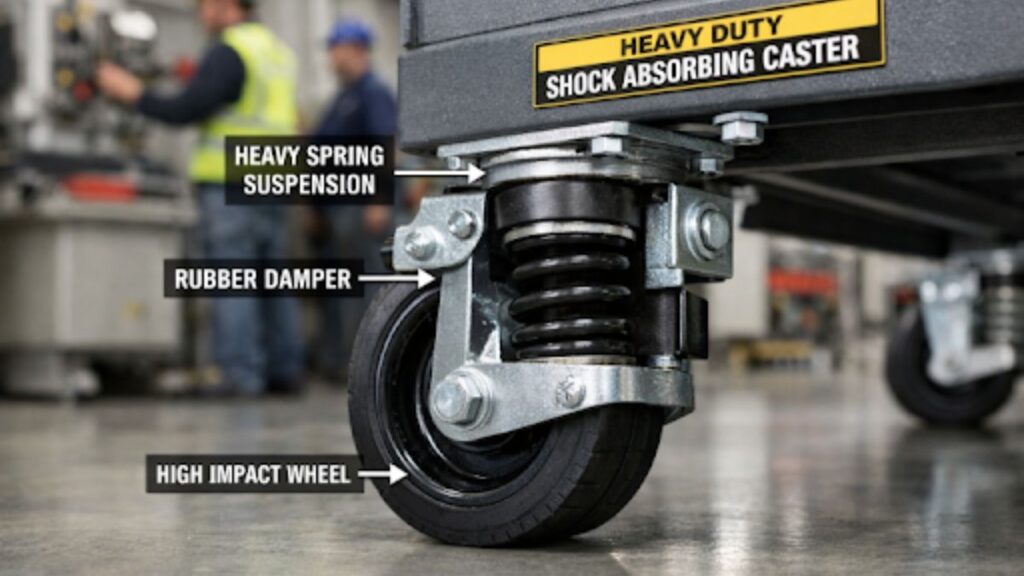
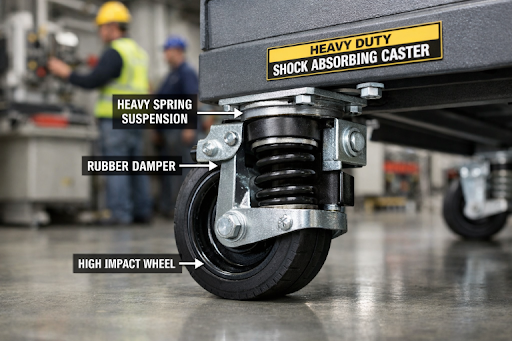
Shock absorbing casters are specialized wheels equipped with mechanisms such as springs or rubber components that absorb and dissipate energy from shocks and vibrations. This design ensures a smoother ride over uneven surfaces, protecting both the equipment and the operator from sudden jolts. R.T. Laird, Inc. utilizes a non-linear suspension system with a variable spring rate, reducing shock and vibration by up to 80% for payloads.
How Do Shock Absorbing Casters Improve Safety?
By reducing the impact of shocks and vibrations, these casters minimize physical strain on workers, thereby reducing the likelihood of musculoskeletal injuries. Additionally, they enhance the stability of transported loads, preventing tipping or uncontrolled movement-related accidents. In heavy-duty work environments such as manufacturing centers, shock-reducing casters are specially engineered to absorb bumps during transit, reducing vibrations and enhancing safety.
Benefits of Implementing Shock Absorbing Casters
- Reduced Worker Strain: Less vibration means less fatigue and a lower risk of repetitive strain injuries.
- Enhanced Equipment Longevity: Minimizing shocks reduces wear and tear on machinery.
- Improved Load Stability: Sensitive materials are less likely to be damaged during transport.
- Noise Reduction: Quieter operations contribute to a more comfortable work environment.
Choosing the Right Shock Absorbing Casters
When selecting shock absorbing casters, consider the following factors:
- Load Capacity: Ensure the casters can support the weight of your equipment. R.T. Laird, Inc. offers a range of casters designed to handle various load capacities, ensuring optimal performance for different applications.
- Wheel Material: Choose materials suitable for your floor type to prevent damage. For instance, softer wheel materials may be preferable for delicate flooring, while harder materials might be better suited for rough surfaces.
- Environmental Conditions: Consider factors like temperature, moisture, and exposure to chemicals. Some casters are designed to withstand extreme temperatures or corrosive environments, making them ideal for specific industrial settings.
Practical Tips for Integrating Shock Absorbing Casters into Your Workflow
The successful integration of shock-absorbing casters into your facility involves more than simply replacing wheels on carts and equipment. Begin with a thorough assessment of your workspace to identify areas where vibrations and jolts are most problematic. Consider consulting with a caster specialist who can analyze your needs and recommend suitable caster types for specific applications, such as material transport, sensitive instrumentation movement, or heavy machinery relocation. Training employees on proper usage and periodic maintenance schedules can further enhance the effectiveness of these casters. Encourage operators to report unusual noise or resistance, as this could indicate the need for lubrication or component replacement. Additionally, inventory management for spare caster parts can prevent downtime if a replacement is needed. By fostering a safety-first mindset and continuous equipment improvement, you maximize both short- and long-term returns on your investment.
Advancing Ergonomics and Efficiency
Shock-absorbing casters significantly improve workplace ergonomics by reducing the manual effort required to move heavy loads across varied surfaces. This improvement lessens the risk of overexertion injuries and repetitive motion disorders, enabling employees to focus on productivity rather than physical discomfort. Moreover, smoother transport means fewer workflow disruptions, enhancing efficiency across manufacturing lines, warehouses, and healthcare facilities alike.
Ergonomic benefits extend beyond the physical; quieter and less jarring environments positively affect mental well-being, reducing stress and enhancing concentration. This is especially valuable in high-risk or high-precision industries, where the margin for error is minimal. The adoption of advanced caster solutions is not just a safety upgrade, as it’s a step towards fostering a more holistic well-being culture throughout your organization.
Frequently Asked Questions
Which industries benefit most from shock-absorbing casters?
Industries such as manufacturing, healthcare, and logistics, where equipment mobility and load stability are critical, benefit significantly from these casters. For example, in the aerospace industry, shock-reducing casters are used to transport heavy machinery, such as jet engines, ensuring safe and efficient movement.
Can shock absorbing casters be retrofitted to existing equipment?
Yes, many shock absorbing casters are designed for easy installation and can be retrofitted to existing equipment to enhance safety and performance. R.T. Laird, Inc. offers a wide selection of casters that can be integrated into various applications, providing immediate benefits without extensive modifications.
Are there maintenance requirements for shock absorbing casters?
Regular inspections for wear and tear, ensuring proper lubrication, and keeping the casters clean will maintain their effectiveness and longevity. It’s also advisable to follow the manufacturer’s maintenance guidelines to ensure optimal performance over time.