Managing wastewater efficiently is essential for industrial and municipal facilities, as improper sludge handling can create serious environmental and compliance challenges. A significant byproduct of wastewater treatment is sludge, which contains both liquid and solid material. Managing this semi-solid waste costs facilities time and money. Adopting proper sludge dewatering practices is a crucial step that makes processes more cost-effective and environmentally responsible. Facilities seeking modern solutions often consider sludge dewatering equipment rental Spring TX for flexible access to advanced equipment that supports their ongoing wastewater operations.
Sludge dewatering removes excess water, turning it into a more solid form, which reduces mass and volume, saving costs during transport and disposal. Technologies like centrifuges, belt filter presses, and screw presses serve different needs. Growing environmental and economic pressures push facilities to adopt advanced dewatering, enabling resource recovery from waste. As sustainability gains prominence, integrating waste-minimizing and resource-conserving technologies helps meet operational and environmental goals.
Understanding Sludge Dewatering
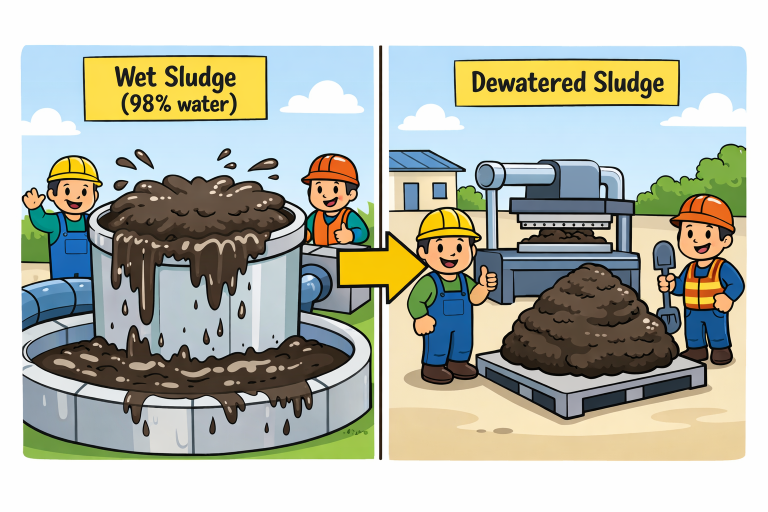
Sludge consists of a watery mixture of solids produced during wastewater treatment. Its high water content (up to 98 percent) makes raw sludge bulky and costly to manage. Dewatering techniques separate solid particles from water, producing a cake-like product that is substantially denser and easier to handle. Depending on the facility’s size and requirements, mechanical means such as centrifuges, filter presses, and vacuum filtration are commonly employed. The selection of technology is influenced by sludge characteristics, processing goals, and budget considerations.
 Key Benefits of Sludge Dewatering
1. Volume and Weight Reduction
One of the most immediate advantages of dewatering is the dramatic reduction in both the volume and overall weight of the sludge. Removing water can decrease sludge volume by up to 80 percent, as highlighted by research published in ScienceDirect. This reduction not only slashes shipping and landfill costs but also conserves critical storage space within the facility. Lower volumes translate directly into fewer truckloads and reduced carbon emissions during transport.
2. Enhanced Operational Efficiency
Handling wet, bulky sludge is both labor- and resource-intensive. Dewatering streamlines internal logistics, allowing staff to focus on core maintenance or treatment tasks rather than being burdened by frequent sludge management. Efficient dewatering fosters greater control over waste processes, reduces the risk of spills, and allows facilities to better align with production or municipal schedules.
3. Environmental Compliance
Compliance with environmental standards is not optional. Properly dewatered sludge reduces the risk of leachate formation, which can contaminate groundwater if not managed properly. By proactively removing excess water, facilities can demonstrate environmental responsibility and avoid fines or penalties related to non-compliance. This proactive stance is particularly vital as regional and federal regulations become more stringent.
4. Potential for Resource Recovery
Dewatered sludge is often viewed as a secondary resource rather than just a waste product. Many facilities convert it into soil amendments for agriculture or process it for use in energy generation through incineration, digestion, or composting. By doing so, waste streams are diverted from landfills, and facilities can contribute to a more circular, sustainable approach to waste management.
Technological Advancements in Sludge Dewatering
The last decade has seen substantial improvements in sludge dewatering technology. Artificial intelligence and machine learning now play roles in automating and optimizing dewatering processes. These innovations deliver improved separation, lower energy consumption, and reduced chemical use, all of which contribute to more cost-effective and sustainable operations. Data-driven insights also help operators troubleshoot performance issues more quickly and meet evolving compliance targets.
Implementing Effective Dewatering Strategies
To achieve optimal performance, each facility should adopt a tailored sludge dewatering approach. This involves:
- Assess Sludge Characteristics: Evaluate the specific properties of the sludge—such as solids concentration and chemical composition—to inform technology and equipment choices.
- Evaluate Equipment Options: Consider a range of available equipment to find solutions that align with operational goals, capacity, and financial resources.
- Train Personnel: Staff should be thoroughly trained to operate dewatering systems safely and efficiently, ensuring minimal downtime and maximizing performance.
- Monitor Performance: Ongoing performance monitoring is essential to catch inefficiencies, ensure compliance, and adapt to changing process demands.
Conclusion
Sludge dewatering is far more than just an operational task in wastewater management. It is a strategic process that delivers cost savings and environmental compliance while uncovering new opportunities for sustainability through resource recovery. Facilities that leverage the latest technologies, maintain rigorous training and monitoring protocols, and continuously improve their dewatering strategies are positioned for long-term efficiency and environmental stewardship. By embracing these roles, both industrial and municipal facilities can operate more sustainably and profitably while supporting broader environmental goals.