
Ensuring safety on construction sites is not only a regulatory obligation but also a moral one. With proper systems in place, companies can protect their workers, maintain productivity, and prevent unnecessary delays or costs caused by accidents. Comprehensive safety standards and the right equipment partner, such as One Call Rentals, play pivotal roles in creating safe, efficient construction environments. Establishing these measures early can avert major issues and lay the foundation for a culture of accountability and well-being.
In today’s fast-paced industry, the risks associated with heavy machinery and site equipment must be managed proactively. Safety is achieved not by chance but through deliberate, well-maintained processes and ongoing education. Site leaders who engage their teams in rigorous safety practices create work zones where hazards are minimized, and everyone goes home safe at the end of the day.
Regular Inspection and Maintenance
One of the cornerstones of jobsite safety is maintaining all machinery through regular inspections and timely repairs. Tools and equipment must be checked before and after deployment to catch early signs of wear, such as frayed wires or cracked housings. Neglecting this step can result in dangerous mechanical failures that put not only the operator, but also nearby crew members at serious risk. Scheduled maintenance also extends the life of resources, saving money and time in the long run.
For additional guidance, industry leaders recommend creating a detailed logbook for each piece of equipment. This record should include inspection dates, maintenance activities performed, and any potential issues found. By fostering consistency, these logs help supervisors spot trends and take action on recurring defects. The Occupational Safety and Health Administration (OSHA) offers detailed guidance on construction site equipment maintenance, which can serve as a useful resource for building structured inspection protocols.
Comprehensive Training and Certification
Competency in handling equipment is achieved only through proper training and unbiased certification processes. Each worker must receive thorough instruction on the operation of machinery specific to the site, last-minute hazard identification, and emergency response methods. Certification from reputable programs ensures that operators understand current regulations, machinery specs, and site expectations. Ongoing refresher sessions ensure the workforce remains alert and informed about the latest innovations in gearboxes, rigging, and tools.
Use of Personal Protective Equipment (PPE)
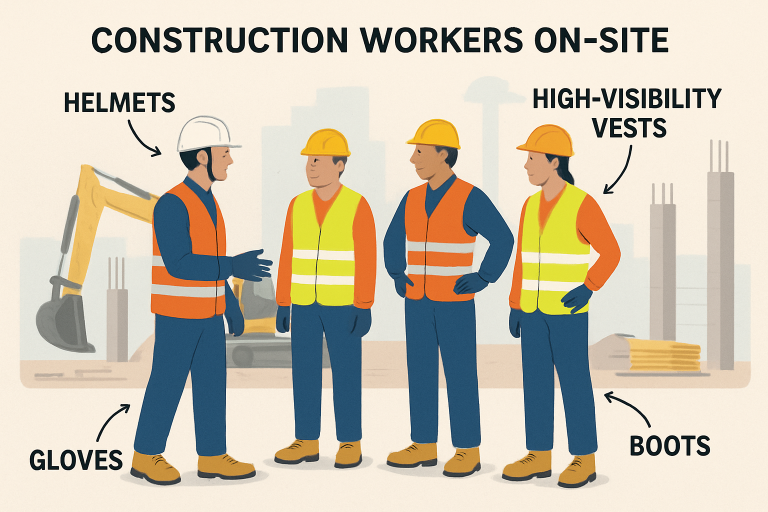
Even with the best protocols, the use of quality personal protective equipment is non-negotiable. Each worker should be issued gear that is clean, fits properly, and is purpose-designed for their role. Helmets, gloves, goggles, and reinforced boots are foundational. Supervisors must conduct regular spot checks to ensure gear integrity and mandate immediate replacement of damaged items. This emphasis on PPE helps reduce the risk of severe injury during unexpected incidents and supports compliance with federal safety mandates.
 Effective Communication and Visibility
Clear, real-time communication is vital for coordinating heavy equipment operations and movement. Misunderstandings can lead to injury or loss of expensive tools, particularly in noisy or crowded environments. Using radios, hand signs, or designated signal personnel keeps everyone informed about machinery in use, ground traffic routes, and emergency situations. Requiring high-visibility vests ensures that all workers and equipment operators are easily visible, especially during nighttime shifts or in dimly lit areas. Proper lighting is another critical safety factor often highlighted by OSHA and the National Safety Council.
Implementation of Advanced Safety Technologies
Rapid advances in technology have brought new tools that proactively prevent accidents. Drones can map and monitor hazardous zones from above, alerting crews to unstable terrain or materials. AI-based software can analyze job-site data to predict risks and recommend interventions before a situation worsens. Wearable devices now track worker biometrics and environmental factors such as temperature and gas exposure, providing automated alerts when safety parameters are breached. These innovations help supervisors act quickly on emerging threats and reinforce existing protocols.
Establishing Clear Safety Protocols
Documented, universally understood safety protocols set expectations for every site participant. These should detail routine operating procedures, specific steps for reporting hazards, and escalation pathways for emergency scenarios. Regularly reviewing and updating safety policies with input from frontline workers ensures that protocols remain relevant and effective as new risks emerge. Conducting periodic emergency drills familiarizes all staff with their roles while reinforcing a mindset of preparedness.
Promoting a Culture of Safety
The most effective safety strategies involve everyone on site taking ownership of their behavior and their colleagues’ well-being. Open communication channels where concerns can be voiced without judgment foster engaged, alert crews. Recognizing and rewarding safe conduct, as well as teamwork that helps reduce incidents, builds a culture where everyone feels empowered to call out unsafe conditions and offer suggestions for improvement. Involving workers in crafting rules and participating in safety meetings also leads to higher compliance and engagement.
Final Thoughts
Halting construction incidents is an ongoing commitment that pays dividends in time, money, and trust. By combining thorough inspection and training, prioritizing PPE, leveraging advanced technology, establishing clear protocols, and cultivating a workplace rooted in accountability, site managers and contractors build environments where productivity and safety go hand in hand. Organizations that make safety a priority demonstrate leadership that benefits every stakeholde,r from front-line workers to project owners.