
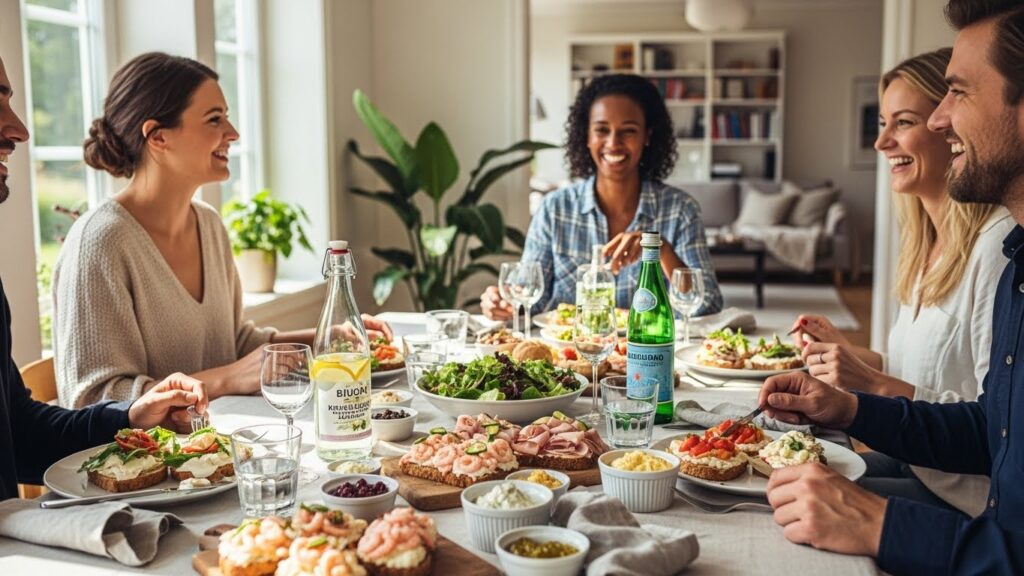
Understanding “Bjudlunch”
“Bjudlunch” is a Swedish term that literally translates to “invite-for-lunch.” Beyond the dictionary meaning, it carries a warm social nuance: a casual yet thoughtful meal where the focus is less on culinary perfection and more on connection. I think of it as a mini-celebration of everyday life—simple food, generous spirit, and unrushed conversation.
In this guide, I unpack the essentials of planning and hosting a successful bjudlunch, from guest dynamics and menu design to preparation timelines, budget tips, and cultural etiquette. Whether you’re a seasoned host or inviting colleagues or friends for the first time, you’ll find practical steps—and a nudge of creative inspiration—to make your lunch both relaxed and memorable.
Why Host a Bjudlunch?
- Strengthen relationships: A shared meal is a kind way to deepen friendships, ease workplace tension, or welcome new neighbors.
- Keep it attainable: Midday gatherings sidestep the pressure of elaborate dinners while still feeling special.
- Encourage balance: A lunch get-together leaves evenings open and can be mindful of family or rest schedules.
Setting the Tone
Define the vibe
Are you aiming for a cozy, homey feel or a bright, café‑style energy? Decide early, because your choice shapes everything—table setting, music, lighting, and even the food presentation. I like to pick a two-word theme (e.g., “fresh & friendly” or “rustic & cheerful”) as my guide.
Choose a date and duration
Lunch typically runs 60–120 minutes. For workdays, offer a clear start and end time (for example, 12:15–13:30) so guests can plan. Weekend bjudlunches can stretch a little longer—just let people know the pace.
Curate the guest list
- 3–6 people keeps conversation dynamic without splitting into cliques.
- Consider mix-and-match chemistry: combine one or two well‑known friends with a couple of newcomers.
- If it’s a workplace lunch, ensure dietary restrictions and role dynamics are handled with care.
Planning the Menu
Build around one centerpiece
Anchor the meal with a main that is easy to batch and forgiving with timing. Think:
- Roast chicken or salmon served at room temperature
- A seasonal quiche or savory tart
- A hearty grain bowl base (farro, barley, or quinoa)
Offer two supporting sides
Balance flavors and textures:
- Crisp salad with a bright vinaigrette
- Warm vegetable dish (roasted carrots, braised greens)
- A simple starch (new potatoes, good bread)
Add a light dessert
Keep it easy and make-ahead friendly:
- Fruit compote with yogurt or ice cream
- Lemon loaf, berry tart, or cardamom cookies
- A plate of chocolates and fresh berries
Think about dietary needs
Label vegetarian, vegan, gluten‑free, or nut‑free options. Where possible, design the menu modularly (e.g., serve proteins and dressings on the side) so everyone can assemble their own plate comfortably.
Smart Prep Timeline
Two to three days before
- Confirm headcount and dietary notes.
- Shop for shelf‑stable items and beverages.
- Prep sauces, dressings, and marinades; bake any dessert that improves overnight.
One day before
- Wash and chop vegetables; store in airtight containers.
- Pre‑cook grains or legumes.
- Set the table and lay out serving pieces; place a sticky note on each platter to assign dishes.
Morning of
- Cook the main and warm sides (or bring to room temperature if served cold).
- Toss salads just before serving to keep leaves crisp.
- Fill pitchers with water and a citrus‑herb garnish; chill beverages.
Hosting Flow
Welcome and settle
Greet guests with water and a light nibbly—marinated olives, spiced nuts, or crispbread with a spread. This small touch lets latecomers arrive without stress while the early birds mingle.
Buffet or family‑style
For a bjudlunch, I prefer family‑style. Passing platters feels friendly and encourages guests to try a little of everything. Use trivets and generous serving utensils to avoid bottlenecks.
Conversation cues
Prepare a couple of open‑ended prompts: “What’s a small win from your week?” or “What seasonal dish are you into right now?” Light topics keep the mood buoyant and inclusive.
Drinks That Fit the Midday Mood
- Sparkling water with citrus wheels
- Iced tea or cold brew with optional syrup
- Light wine or beer for weekend gatherings (offer attractive non‑alcoholic choices too)
- A simple mocktail: tonic, cucumber ribbons, and a squeeze of lime
Budget‑Friendly Tips
- Choose one luxe element (quality cheese, smoked fish) and keep the rest simple.
- Seasonal produce is cost‑effective and flavorful; build the menu around it.
- Borrow serveware from friends or use a mix‑and‑match style—eclectic can look charming.
Atmosphere and Table Styling
Keep it simple
A neutral tablecloth, cloth napkins, and a low‑profile centerpiece (a bowl of citrus, small herb pots) set the scene without blocking sightlines. Soft background music at conversation level is enough.
Thoughtful details
- Place cards help if not everyone knows each other.
- A small printed menu or hand‑written card introduces dishes and allergens.
- A cozy throw nearby if you’re hosting outdoors and the weather turns.
Cultural Etiquette Notes
In Scandinavian settings, punctuality is appreciated and shoes may come off at the door—have a neat area for coats and a spot for footwear. As host, be clear about gifts: a message like “Just bring yourselves—no need for flowers or wine” can relieve guest pressure.
If you’re the guest: offer to help clear plates, compliment a dish you genuinely liked, and send a brief thank‑you message later. These small courtesies extend the goodwill of the gathering.
Menu Ideas by Season
Spring
- Main: Herb‑roasted salmon with lemon
- Sides: Asparagus with mustard vinaigrette; new potato salad with dill
- Dessert: Rhubarb compote and vanilla yogurt
Summer
- Main: Tomato‑basil tart or grilled chicken thighs
- Sides: Watermelon‑feta salad; charred corn with chili‑lime butter
- Dessert: Berry pavlova or peach sorbet
Autumn
- Main: Mushroom and gruyère quiche
- Sides: Roasted beets with hazelnuts; kale salad with apple and pecorino
- Dessert: Spiced pear cake or apple crisp
Winter
- Main: Slow‑roasted pork shoulder or lentil‑walnut loaf
- Sides: Warm carrots with harissa honey; braised red cabbage
- Dessert: Chocolate pot de crème or citrus olive‑oil cake
A Simple Hosting Checklist
- Finalize guest list and dietary notes
- Plan make‑ahead components
- Set table the day before
- Prepare a welcoming snack
- Keep beverages cold and labeled
- Serve family‑style with good utensils
- Have containers for leftovers
Parting Thoughts
A bjudlunch doesn’t demand culinary heroics. It rewards intention: a thought‑through menu, a gentle timeline, and a few hospitable touches. When the food is unfussy and the conversation easy, people linger a little longer—and that’s the quiet magic of a friendly lunch.