Understanding Energy Loss Through Windows
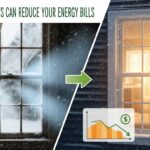
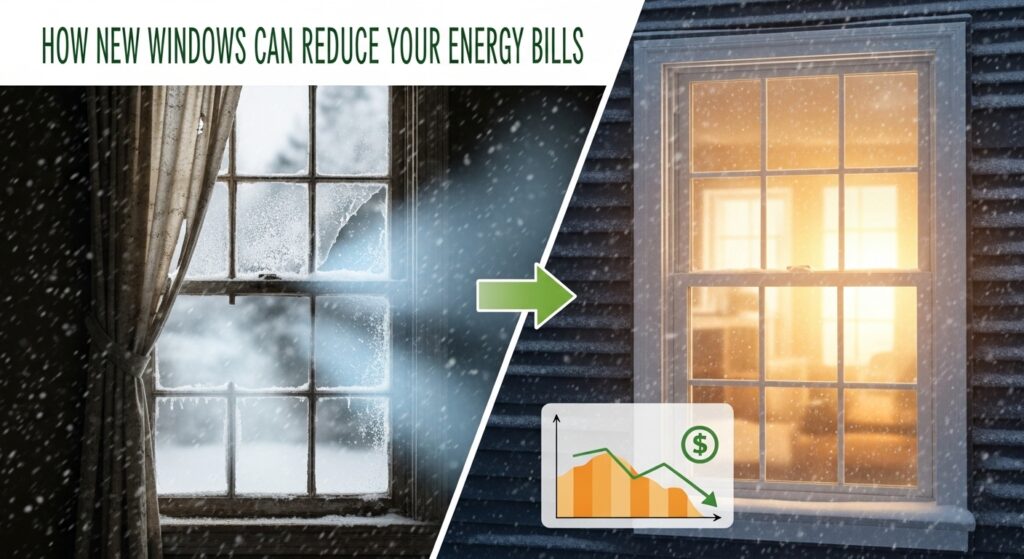
Many homeowners underestimate the enormous impact that windows can have on a home’s overall energy efficiency. Particularly in houses built decades ago, the original windows often consist of single-pane glass with minimal insulation, offering little resistance to heat transfer. Old or poorly insulated windows allow significant heat to escape during winter, forcing your furnace or heating system to work harder to maintain a comfortable temperature. In the summer months, these same windows let in unwanted heat, forcing air conditioners to work harder. According to the U.S. Department of Energy, windows can account for 25% to 30% of home heating and cooling energy use, making them a major contributor to fluctuating utility costs. Not only does this leakage lead to higher monthly bills, but it can also create ‘hot’ and ‘cold spots’ throughout your home, resulting in uncomfortable living conditions and a less consistent indoor environment.
Upgrading your windows with quality solutions from JDI Windows is more than a cosmetic enhancement; it’s a strategic investment in your home’s day-to-day comfort and long-term budget. With advancements in window technology, modern models now incorporate specialized coatings, gas fills, and improved frame materials that help maintain more consistent temperatures indoors and reduce the need to constantly run heating or cooling systems.
Benefits of Energy-Efficient Windows
Replacing outdated or inefficient windows with energy-efficient models brings both immediate and long-term advantages for homeowners. The most direct benefit is reduced household energy consumption, resulting in lower utility bills each month. According to the Environmental Protection Agency, ENERGY STAR-certified windows can help reduce energy bills by up to 12%, which, depending on your region, home size, and window condition, could mean annual savings of $200 to $600. Over the course of a decade, these savings add up, making window replacement one of the most effective energy upgrades available.
Beyond cost savings, energy-efficient windows also deliver superior indoor comfort. These windows are designed to minimize winter cold drafts and keep out excess summer heat, maintaining a more stable indoor temperature regardless of outdoor conditions. Inconsistent temperatures and uncomfortable drafts become a thing of the past, resulting in a more enjoyable home environment year-round. In addition to personal comfort and financial savings, reducing your energy use lowers your carbon footprint. Reduced reliance on heating and cooling systems not only conserves valuable natural resources but also supports a more sustainable, eco-friendly lifestyle.
Key Features of Energy-Efficient Windows
Modern energy-efficient windows incorporate an impressive array of advanced technologies and features that dramatically improve performance:
- Low-E Glass: Low-emissivity (Low-E) glass is coated with a virtually invisible layer that reflects infrared energy (heat), helping keep your home warmer in winter and cooler in summer. By selectively reflecting heat while allowing visible light to pass through, Low-E coatings provide excellent insulation without sacrificing natural light.
- Multiple Panes: Unlike older single-pane windows, today’s energy-efficient windows typically use double or triple-pane construction. The spaces between panes are often filled with inert gases like argon or krypton, further reducing heat transfer and providing much better insulation.
- Advanced Frame Materials: The choice of frame material significantly affects window performance. Vinyl, fiberglass, or composite window frames reduce thermal transfer far more effectively than traditional wood or aluminum frames, while also increasing durability and requiring less maintenance over their lifespan.
These features don’t just improve energy efficiency, they also offer additional benefits, such as enhanced noise reduction, greater resistance to condensation, and improved security. Together, these technologies help limit unwanted energy loss, resulting in homes that are not only more efficient but also more comfortable, consistent, and peaceful.
Financial Incentives and Rebates
While window replacement is a significant investment, homeowners should be aware that there are a variety of financial incentives, tax credits, and rebates designed to encourage the adoption of energy-efficient upgrades. A key incentive is the federal tax credit, which currently covers up to 30% of qualifying window installation costs, up to a maximum of $600 per year. This can substantially lower your out-of-pocket expenses and improve the payback period for your window investment. Additionally, many state and local governments, as well as utility companies, offer their own rebate programs for replacing old, inefficient windows with ENERGY STAR-rated products. These rebates can range from modest to substantial sums, depending on your location and the specifics of your project, often further reducing the affordability gap and making the transition more accessible to homeowners on a budget.
In addition to these ongoing programs, some municipalities may provide grants or zero-interest financing for energy-saving renovations. Checking with local energy authorities and utility providers can reveal hidden opportunities to offset costs, making energy-efficient window upgrades even more appealing financially. These incentives not only make replacement projects more budget-friendly but also support community-wide energy conservation goals.
Choosing the Right Windows for Your Home
Selecting the most suitable energy-efficient windows involves careful consideration of multiple factors, including your local climate, home architecture, and family budget. Different regions may require windows with different types of glass coatings, gas fills, or frame materials to optimally manage heat gain or loss. For homes in hot climates, technologies that block the sun’s rays and reduce heat gain, such as triple-pane glass with advanced coatings, are essential for maximizing comfort and savings. Conversely, in colder regions, it is vital to choose windows engineered to retain interior heat and reduce cold drafts. Style and appearance should also be considered, as energy-efficient windows are available in numerous designs, finishes, and sizes to match the look of both modern and historic homes.
Consulting with an experienced window dealer or installer can be extremely helpful. Professionals can assess your existing windows, recommend upgrades that meet your efficiency goals, and ensure your choices complement your home’s aesthetic architecture. In many cases, a tailored solution will offer the best combination of performance, durability, and value. Taking the time to get an expert opinion helps avoid costly mistakes and ensures that your new windows deliver the maximum benefits.
Installation Matters
Even the most advanced energy-efficient windows require correct installation to achieve their full potential. Improperly fitted windows can create gaps and leaks that defeat the purpose of the upgrade, leading to ongoing drafts, moisture problems, and decreased energy savings. Professional installers use precise measurements and tried-and-true methods to ensure that windows are properly sealed and structurally sound. Skilled professionals will also identify and address underlying issues, such as decaying window frames, rot, or hidden moisture damage, that could compromise the longevity of your investment.
Choosing a reputable installer with experience in energy-efficient products is essential. Quality installation may include post-installation inspections, warranties, and follow-up service. Ultimately, professional installation guarantees that your new windows operate as intended, maximizing energy savings, comfort, and peace of mind for years to come.
Final Thoughts
Investing in energy-efficient windows is one of the most practical, cost-effective, and impactful upgrades a homeowner can make. With improvements in window technology and the variety of government incentives now available, making the switch is easier and more affordable than ever before. Energy-efficient windows not only drive down monthly bills but also boost comfort, minimize drafts, and reduce outside noise, enhancements you’ll appreciate every day. By paying careful attention to product features, installation quality, and professional advice, you can transform your home’s energy use, comfort, and environmental impact for many years to come.