Youth basketball offers more than physical activity; it introduces young players to structured environments where habits and attitudes are shaped over time. Through regular practices and games, participants learn how preparation, focus, and consistency influence outcomes. The fast pace of play encourages quick thinking and adaptability, while rules and officiating help reinforce respect for boundaries and fairness. These experiences often mirror real-life situations, making the court a practical setting for personal growth beyond athletic development.
Team-based programs also highlight the importance of cooperation and shared responsibility. Players must communicate clearly, manage setbacks, and support one another to move forward. In many communities, organizations such as Illinois Attack are part of this broader youth sports landscape, providing settings where these interactions naturally occur. Within such environments, young athletes are exposed to leadership opportunities and accountability in everyday situations. Over time, these lessons can translate into stronger confidence, problem-solving skills, and a better understanding of how individual actions affect a group.
 Teamwork and Collaboration
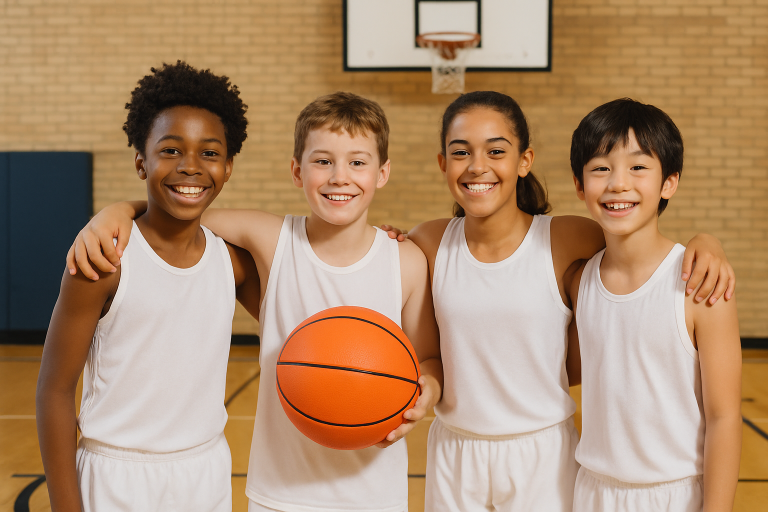
Basketball is inherently a team game that teaches young athletes the importance of working together to achieve shared objectives. Even the most talented players must rely on their teammates for success. Youth participants learn to recognize and respect diverse skills, adapt to various personalities, and accept feedback constructively.
This social dynamic extends far beyond the gym. Learning teamwork at a young age prepares children to engage effectively in school projects, extracurricular activities, and eventually the workplace. Problem-solving as a group, celebrating others’ successes, and navigating disagreements lay the foundation for strong social relationships.
Discipline and Time Management
Regular practice, travel for games, and balancing academics push youth athletes to develop disciplined routines. These habits form as children set goals and stick to schedules, often making sacrifices to manage their diverse commitments. The structure of basketball programs helps instill self-motivation, persistence, and an understanding of cause and effect in goal-setting.
When young players learn that dedication leads to improvement, they gain a sense of ownership over their choices. Managing practices, homework, and rest teaches responsibility and planning. The skills learned through physical activities, such as basketball, also support academic success, as students who participate in sports tend to have better attendance and performance in school.
Resilience and Emotional Intelligence
Success in basketball is rarely a straight path. Losses, injuries, and challenging competition teach players how to cope with disappointment. The process of learning from mistakes fosters resilience, the ability to bounce back and try again. Young athletes quickly realize that setbacks are a normal part of growth and that perseverance is critical for progress.
Through guided mentorship, they learn emotional regulation, empathy, and sportsmanship. These emotional intelligence skills are foundational for navigating personal and professional challenges. As young players mature, recognizing their own feelings and understanding others’ perspectives becomes a powerful asset throughout life.
Communication Skills
Basketball requires clear and consistent communication for success. Whether it involves calling plays, encouraging teammates, or reacting to a coach’s instructions, players refine their abilities to speak and listen effectively. Non-verbal communication, such as hand signals, eye contact, and body language, is equally important in fast-paced game situations.
These abilities translate beyond the court. Youth basketball participants often show improved self-expression, active listening, and negotiation abilities in school and community settings. Effective communicators are better equipped to collaborate, resolve conflicts, and build strong, trusting relationships throughout their lives.
Leadership Development
Youth basketball creates many opportunities for emerging leaders. Taking on roles like team captain or assisting with practices gives children firsthand experience in motivating peers, organizing activities, and making decisions. Leadership in youth sports is about modeling positive behavior, supporting others, and addressing challenges with creativity and fairness.
These formative opportunities foster an internal sense of confidence and initiative. Many players carry these leadership skills into college, careers, and community involvement. Early leadership experiences help shape resilient, determined, and ethical adults.
Community Engagement
Basketball brings young people together while cultivating a sense of belonging in their broader communities. Local leagues, school teams, and city organizations encourage youth to participate in events, fundraisers, and volunteer activities. This involvement can increase civic pride, promote inclusiveness, and reduce social divides.
By giving back, young athletes realize the value of contributing to a collective effort. The community spirit fostered through basketball continues to inspire future involvement in social projects and local leadership, helping youth see themselves as active and valuable community members.
Physical Health and Fitness
While developing life skills is crucial, youth basketball also promotes substantial health benefits. The sport requires a blend of cardio, balance, strength, and coordination. Players develop increased endurance, agility, and healthy habits that support long-term well-being. According to ESPN, ongoing participation in basketball helps reduce the risks of chronic illnesses and builds a foundation for healthy adult lifestyles.
Encouraging children to remain physically active through basketball fights sedentary behavior and boosts self-esteem, further reinforcing the value of sports as a lifelong pursuit.
Conclusion
Youth basketball serves as a transformative platform for personal development. Beyond fostering teamwork, discipline, and resilience, it equips young players with communication skills, leadership abilities, and a meaningful connection to their communities. As players move forward in life, the lessons learned on the court stay with them, shaping successful, compassionate, and driven individuals ready to face the world’s challenges.