
In Maine, the calendar is dictated by the tides of tourism. We mark our year by the arrival of the license plates in June and their departure in October. For locals, “The Season” is a frantic hum of activity, crowded restaurants, and booked-solid ferries. But as the leaves turn and the “Vacationland” sign begins to collect frost, a quiet economic shift occurs that savvy homeowners have learned to exploit.
We often talk about the housing market in relation to tourism, but rarely do we discuss the furnishing market. With thousands of Airbnbs, VRBOs, and seasonal camps operating across the state, Maine has a massive, hidden inventory of furniture that moves in a predictable, rhythmic cycle.
For the year-round resident looking to upgrade their living space without breaking the bank, understanding the “Rental Turnover” might just be the most valuable design strategy of the year.
The “Five-Star” Standard
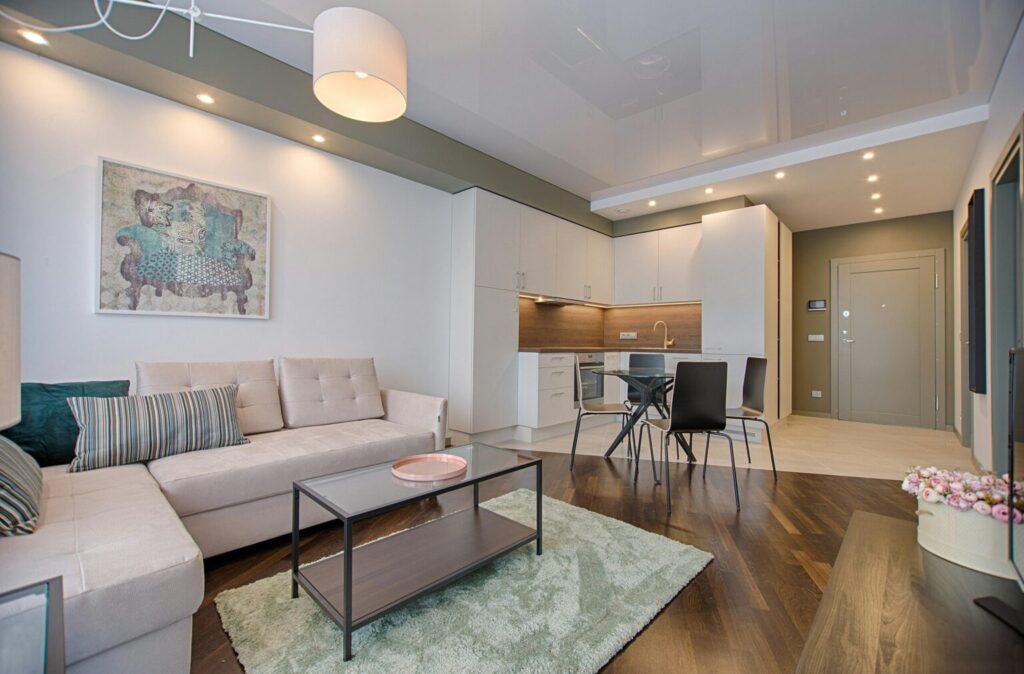
To understand why this opportunity exists, you have to understand the pressure on rental hosts. The short-term rental market in towns like Bar Harbor, Kennebunkport, and Portland has become hyper-competitive. Guests expect Instagram-worthy interiors. They demand pristine sectionals, sturdy dining tables, and mattresses that feel like clouds.
A single red wine stain on a beige sofa or a scratched coffee table can lead to a 4-star review. In the algorithmic world of rental apps, dropping below 4.8 stars can be a death sentence for a listing.
Consequently, hosts are forced to refresh their inventory far more frequently than a typical homeowner. A sofa that has three more years of life in a family home might be “retired” from a luxury rental after just two seasons because of minor wear and tear.
The Autumn Liquidation
This creates a unique phenomenon: The Autumn Liquidation.
As property owners close up their camps for the winter or prepare to renovate for the next season, they often look to offload furniture quickly. They don’t want to pay for climate-controlled storage for six months. They need the space cleared now.
This spills over into the retail sector. Local furniture outlets and clearance centers often see an influx of inventory in the shoulder seasons. Why? Because distributors know that rental owners do their big buying in the spring (April/May). By the time late autumn hits, retailers are sitting on overstock that didn’t sell during the pre-summer rush. They need to clear their floors for the upcoming winter/holiday collections.
This convergence—hosts selling used items and retailers slashing prices on “last season’s” unsold rental-grade stock—creates a buyer’s market for the observant local.
How to Spot “Rental Grade” Quality
The hidden gem in this strategy is that furniture built for rentals is often built better. “Contract grade” or “commercial grade” furniture is designed to withstand heavy use.
When you are browsing during this turnover period, look for specific markers of durability that rental hosts prize:
- Performance Fabrics: Look for sofas upholstered in Crypton or Sunbrella fabrics. These are stain-resistant, easy to clean, and virtually indestructible.
- Solid Wood Construction: Rental hosts avoid veneers because they chip easily. Solid wood tables can be sanded down and refinished, making them a smart long-term investment.
- Metal Joinery: Chairs and stools with welded metal frames last longer than glued wood joints in high-traffic environments.
If you find a piece that was intended for the rental market, you are likely getting an item designed to survive a bachelor party, which means it can definitely survive your toddler and your Golden Retriever.
The Local Advantage
There is a distinct advantage to being a local in this ecosystem. You are here when the tourists aren’t. You have the ability to pick up a truckload of furniture on a Tuesday in November when the rest of the world has forgotten about Maine.
This “off-season” shopping isn’t just about saving money; it’s about strategy. It’s about recognizing that the luxury demands of the tourism industry create a downstream surplus for the rest of us. You don’t need to sacrifice style or quality to stay within budget; you just need to synchronize your watch with the departure of the summer crowds.
So, while the rest of the country is waiting for Black Friday, the smart Mainer is already hunting. Whether you are scouring online marketplaces for a host’s cast-offs or browsing the clearance aisle of a local retailer clearing out their summer stock, the best deals are often found in the quiet moments after the last lobster roll has been served. Finding high-quality discount furniture in Maine isn’t about compromising; it’s about waiting for the tide to go out and seeing what treasures have been left on the shore.