Constructing an indoor field house track is a complex endeavor that requires thoughtful planning and attention to detail. Whether the goal is to provide a premier facility for competitive athletes or a versatile space for community use, each decision will impact the long-term success of the track. For organizations looking to optimize every aspect of the build, early research and guidance from expert partners in Mondo track installation can play a pivotal role in creating a state-of-the-art environment.
Each stage of the process, from selecting materials to accommodating the needs of spectators, affects the usability, safety, and appeal of the facility. Effective planning is crucial to ensure the project satisfies athletic standards, operates within budget, and becomes a hub for community engagement and wellness.
Design and Layout
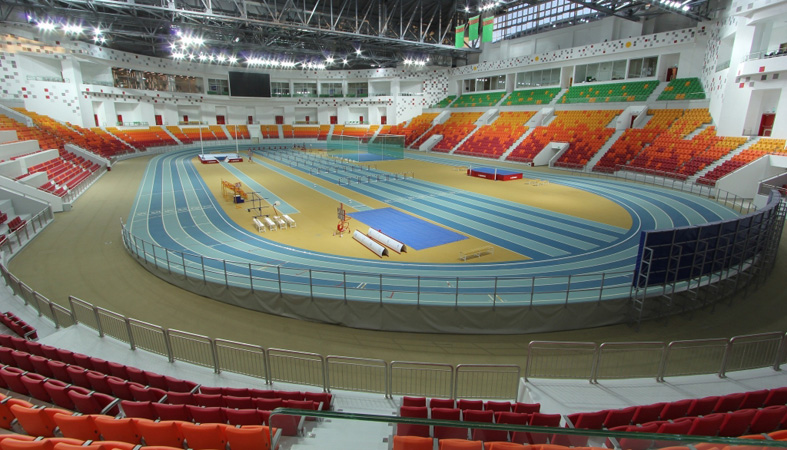
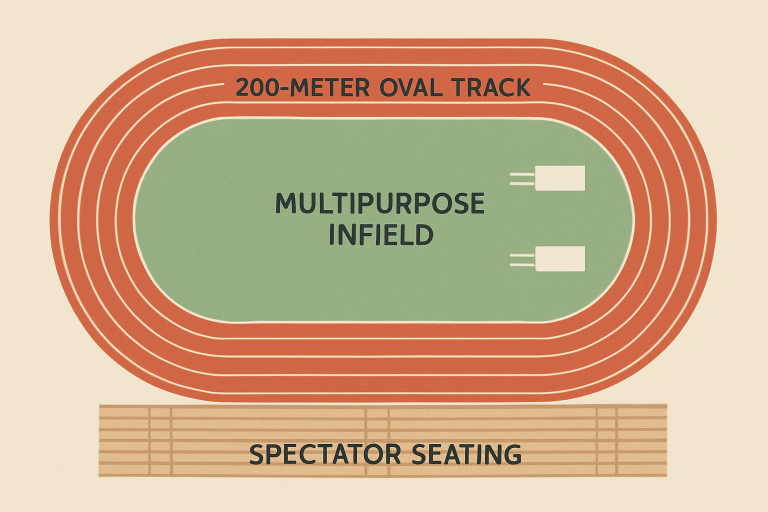
The foundational phase of building an indoor field house track involves determining the ideal layout and design. Standard indoor tracks measure 200 meters in length, preferred for competitions and consistent training. However, facilities facing space limitations may opt for slightly shorter or uniquely curved tracks. Design also includes providing sufficient infield space for field events and incorporating areas for warming up and cooling down. The needs of both athletes and visitors should inform the inclusion of seating, accessibility features, and flow throughout the venue. More on optimal facility design can be found in this comprehensive sports facility design guide.
Beyond the basic dimensions, consider whether the facility should include specialized zones for athletes with different skill levels or abilities, and how technology can enhance the user experience. Modern designs often utilize digital timing systems, integrated sound equipment, and real-time scoreboard displays. Including features such as climate control zones and Wi-Fi connectivity throughout the venue can also greatly improve utility and comfort for athletes, coaches, and spectators. These details play a significant role in differentiating a standard field house from an elite, multifunctional venue capable of hosting high-profile events and supporting varied user needs.
Surface Materials
The type of track surface is a significant factor in both performance and injury prevention. As the surface is one of the largest investments in a field house, facility managers must weigh durability, required maintenance, traction, and user comfort. With over 175 specialized athletic flooring options on the market, selecting a material that delivers optimal shock absorption and grip is paramount. Many modern indoor tracks use synthetic surfaces to balance performance needs with longevity. Consulting with installation experts will help guide the best product selection.
When evaluating surfaces, be sure to account for environmental considerations as well. Some materials offer reduced VOC (volatile organic compound) emissions and may be recyclable or partially composed of renewable resources. Furthermore, certain surfaces are engineered for quick installation and easy repair, making them attractive for facilities that anticipate heavy use and may need future adjustments. Factoring in life cycle costs and sustainable attributes during the initial planning phase can help support both long-term operational savings and organizational values around responsibility to the environment.
Safety Measures
Ensuring athlete and spectator safety is central to effective track design. Proper lighting and ventilation are essential for a comfortable indoor environment and to prevent accidents. The layout must avoid tight radii on turns, which can be hazardous for runners, and should provide lanes wide enough to minimize collisions. For field events, sand catchers near long jump pits help trap displaced sand, ensuring a cleaner, safer environment for continued use. Emergency exits must be accessible and clearly marked to meet safety codes and protect users in any situation.
Additionally, regular safety inspections and ongoing staff training should be built into facility operations. Having automated external defibrillators (AEDs), medical kits, and plans for crowd management during peak events ensures that the track remains not just a venue for competition, but also a model of preparedness and safety for the community it serves.
 Multi-Purpose Functionality
An indoor field house designed for multi-purpose use becomes a valuable asset to its community. By accommodating various sports, such as basketball and volleyball, and hosting non-sporting events like expos or graduations, the facility’s usage rates increase considerably. Incorporating flexible equipment and careful scheduling helps ensure the space remains adaptable and inviting for a broad audience, increasing the return on investment and enhancing community impact.
Facility planners are also utilizing modular turf systems, portable bleachers, retractable dividers, and moveable scoreboards to enable fast transitions between different activities. This adaptability not only serves the recreational needs of athletes and community groups but also makes the facility more attractive for event rentals, tournaments, or seasonal leagues, further boosting financial viability.
Cost and Financing
Constructing a modern indoor field house track represents a substantial financial commitment. Effective budgeting includes value engineering, phased development, and carefully selecting materials and systems for operational savings over time. Many projects benefit from varied funding sources, including grants, sponsorships, and partnerships with local businesses and organizations. Community fundraising initiatives can also unite residents behind the effort and generate long-term support.
It’s wise to incorporate contingency funds in the budget and to clearly outline anticipated maintenance expenses for the life of the facility. Involving financial experts during the early stages of development can lead to greater efficiency and help secure the long-term sustainability of the venue. Transparent cost reporting also builds trust with stakeholders and potential donors, facilitating future expansions and improvements.
Compliance with Regulations
All indoor field house tracks must conform to relevant building codes and athletic governing body regulations. The National Federation of State High School Associations (NFHS), for example, stipulates that indoor tracks should be 200 meters in length for official competitions. Accessibility standards (such as ADA compliance) and local building regulations must also be met. Adherence not only ensures participant safety but also guarantees eligibility for sanctioned events and broad community access.
Regulatory compliance should be an ongoing process, including periodic reviews to address code updates and athletic rule changes. Working closely with architects familiar with sports facility regulations and pursuing voluntary certifications, such as LEED for green building, can further demonstrate a commitment to quality and inclusivity.
Community Engagement
Genuine community involvement during planning, fundraising, and construction is crucial for the facility’s success. Gathering feedback from local sports teams, schools, and residents helps shape the project to meet actual needs and encourages widespread use. Public meetings, surveys, and transparent communication channels allow for meaningful participation and promote a sense of shared ownership and pride once the project is complete.
Opening day celebrations, ongoing feedback opportunities, and partnerships with local groups further foster lasting engagement. When the community feels represented in both the planning and daily operations, usage remains high, policies reflect real needs, and the field house itself stands as a collaborative regional achievement.
Sustainability and Energy Efficiency
Green building practices and the integration of energy-efficient systems can significantly reduce both environmental impact and ongoing operating costs. Using recycled or low-impact construction materials, optimizing insulation and windows for daylight, and installing LED lighting and efficient HVAC are proven ways to minimize resource consumption. Over time, these strategies benefit both the facility’s budget and the broader community, setting the standard for future construction.
From rainwater harvesting systems to solar panels, there is no shortage of innovative solutions that can enhance both the sustainability and marketability of indoor athletic spaces. Facility managers can even implement waste reduction and recycling programs during both construction and daily operation. Not only do these measures appeal to eco-conscious users and funders, but they also establish the field house as a leader in responsible community development.
A successful indoor field house track is the result of careful planning, adherence to high standards, and collaboration with expert partners. By prioritizing the right factors and engaging all stakeholders, the final facility will serve athletes and the broader community for years to come.