
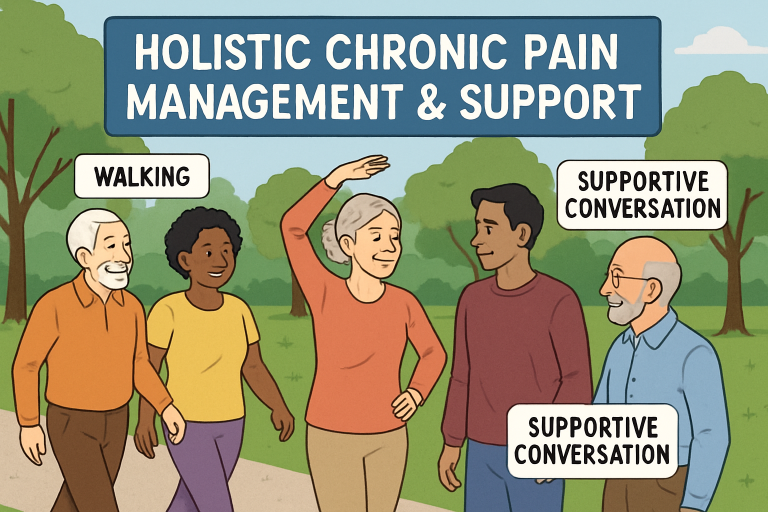
Living with persistent pain can affect every aspect of daily life, from physical activity to emotional well-being. For many, managing chronic discomfort requires more than medication; it involves adopting a comprehensive approach that addresses both the body and mind. Understanding pain triggers, pacing activities, and incorporating gentle movement can help improve mobility and reduce stress, while mindfulness practices and relaxation techniques support mental resilience. Nutrition, sleep, and social connection also play crucial roles in maintaining overall wellness, offering small but meaningful ways to enhance quality of life despite ongoing challenges.
Access to knowledgeable healthcare providers can make a significant difference in navigating these strategies. Organizations like Midwest Vascular can offer guidance on managing conditions that contribute to chronic pain, helping individuals make informed decisions about treatment and lifestyle adjustments. By combining professional support with practical daily strategies, people can foster a sense of control, stay active, and cultivate a fulfilling life even while living with long-term pain.
Understanding Chronic Pain
Chronic pain is defined as pain that persists beyond the normal healing period, typically for 3 to 6 months or more. It can stem from musculoskeletal disorders such as arthritis, nervous system injuries, fibromyalgia, or unresolved injury. A CDC report states that nearly a quarter of adult Americans experienced chronic pain in 2023, making this a pressing matter for both individuals and the healthcare system at large. Chronic pain not only affects physical abilities but also contributes to emotional stress, anxiety, and financial difficulties.
Building Your Pain Management Team
An individualized, multidisciplinary care team is the cornerstone of effective chronic pain management. A comprehensive approach integrates the expertise of pain specialists, physical therapists, psychologists, and sometimes occupational therapists to create a complete care plan. Each member addresses specific needs: pain physicians guide medication and procedural interventions, rehabilitative specialists focus on functional recovery, and mental health providers support coping and adjustment. This collaborative dynamic ensures that care extends beyond physical symptoms to address the mental and emotional impact of persistent pain.
Exploring Non-Opioid Treatments
Given concerns about opioid safety and dependency, many clinicians now emphasize alternative therapies for lasting pain relief. Non-opioid medications, such as certain antidepressants and anti-inflammatories, may reduce pain with less risk of addiction. Integrative practices, including acupuncture, massage, and chiropractic therapy, provide multidimensional relief for certain individuals. Physical therapy helps restore function and prevent further injury, while cognitive-behavioral therapy addresses the psychological aspects of chronic pain. Notably, innovation in pain management continues to advance, with developments such as virtual reality therapy showing promise for reducing pain perception through immersive distraction techniques, as recent studies have demonstrated.
Incorporating Physical Activity
Research overwhelmingly supports the role of regular physical activity in managing chronic pain. Simple activities such as walking, swimming, or low-impact aerobics are associated with improved strength, flexibility, and pain tolerance. For example, a large-scale Norwegian study published in PLOS ONE confirmed that active individuals consistently report less pain and enjoy a better quality of life. Exercise routines tailored by physical therapists can be safely adapted according to age, disease severity, and personal limitations, ensuring that each person can participate at their own pace.
Practicing Mindfulness
Mindfulness practices, from simple deep-breathing exercises to advanced meditation techniques, are gaining recognition as effective tools for chronic pain management. Programs like Mindfulness-Oriented Recovery Enhancement (MORE) combine awareness training with therapeutic strategies to help individuals reshape their relationship with pain, reduce psychological distress, and boost emotional resilience. Numerous studies confirm that mindfulness training can decrease perceived pain intensity and facilitate a healthier emotional response to persistent discomfort.
Establishing a Support Network
Ongoing support from friends, family, and organized groups equips pain sufferers with a crucial foundation for resilience. Participating in peer support forums or local communities dedicated to chronic pain offers opportunities to share personal experiences, reduce feelings of isolation, and exchange practical advice for daily life. A robust support system also helps navigate healthcare barriers, advocates for patient needs, and can play a significant role in sustaining motivation for long-term self-care and positive lifestyle change.
Embracing a Healthy Lifestyle
Long-term pain management benefits from adopting a well-rounded, healthy lifestyle. This includes consuming a balanced, nutrient-rich diet, prioritizing restorative sleep, and proactively managing stress. Habits such as limiting caffeine and sugar intake and staying hydrated can help reduce inflammation and pain flare-ups. Avoiding alcohol and tobacco is vital, as both can increase pain sensitivity and interfere with healing. Complementary therapies such as yoga, acupuncture, and therapeutic massage can further improve well-being and provide natural pain relief. For additional science-backed lifestyle strategies, organizations such as the Cleveland Clinic offer practical recommendations for sustainable pain management.
Conclusion
Achieving a fulfilling life while living with chronic pain is entirely possible when combining evidence-based strategies, individualized medical care, lifestyle improvements, and ongoing emotional and social support. By focusing on multidisciplinary care, choosing non-opioid treatment alternatives, participating in tailored physical activities, practicing mindfulness, and cultivating strong personal networks, individuals can enhance both their comfort and daily enjoyment, ultimately making chronic pain more manageable and life more rewarding.