
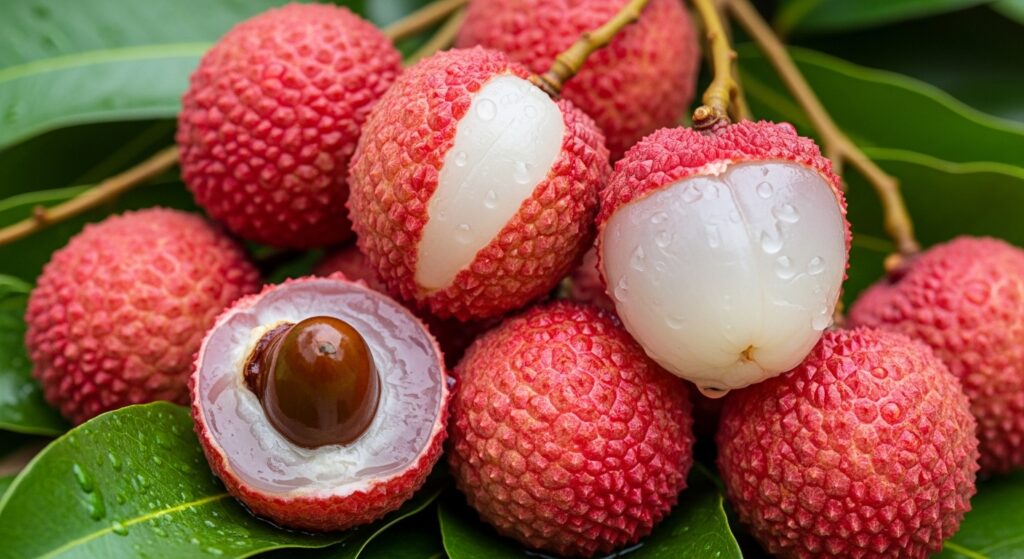
Lychee is a delicious tropical fruit known for its sweet, floral flavor and juicy texture. Native to Southeast Asia, it has become popular worldwide for both its taste and nutritional benefits. With its rough red shell and translucent white flesh, lychee is as visually unique as it is flavorful.
What Is Lychee?
Ly chee (scientifically known as Litchi chinensis) is a small, round fruit that grows on evergreen trees. It belongs to the soapberry family and is closely related to fruits like rambutan and longan.
Key Characteristics:
-
Outer shell: Rough, bumpy, and reddish-pink
-
Flesh: White, juicy, and translucent
-
Seed: Dark brown and inedible
-
Taste: Sweet with floral and slightly citrus notes
Origin and Cultivatio
Lychee originated in China, where it has been cultivated for over 2,000 years. Today, it is also grown in:
-
India
-
Thailand
-
Vietnam
-
South Africa
The fruit thrives in tropical and subtropical climates, requiring warm temperatures and humidity.
Nutritional Benefits
Lychee is not only tasty but also packed with nutrients:
1. Rich in Vitamin C
-
Boosts the immune system
-
Helps protect against infections
2. High in Antioxidants
-
Contains compounds that fight free radicals
-
Supports healthy skin and aging
3. Good Source of Hydration
-
High water content keeps the body hydrated
4. Supports Heart Health
-
Contains potassium, which helps regulate blood pressure
How to Eat Lychee
Eating ly chee is simple and enjoyable:
-
Peel the outer skin – It cracks easily with your fingers
-
Remove the seed – The seed is not edible
-
Enjoy the flesh – Eat fresh or add to dishes
Popular Uses:
-
Fresh fruit snack
-
Fruit salads
-
Juices and smoothies
-
Desserts like ice cream and jelly
Cultural and Culinary Importance of Lychee
Ly chee holds cultural significance in many Asian countries, especially in China, where it symbolizes:
-
Romance and love
-
Good fortune and happiness
It is often used in traditional dishes, festive meals, and even beverages.
Potential Side Effects of Lychee
While ly chee is generally safe, there are a few considerations:
-
Eating unripe lychee in large amounts may cause health issues
-
Overconsumption can lead to digestive discomfort
-
People with allergies should consume cautiously
Moderation is key to enjoying its benefits safely.
Conclusion
Lychee is a delightful tropical fruit that combines unique flavor, refreshing texture, and impressive health benefits. From its ancient roots in Asia to its global popularity today, it continues to be a favorite among fruit lovers.
Whether eaten fresh, blended into drinks, or used in desserts, lychee offers a sweet taste of the tropics that is hard to resist.