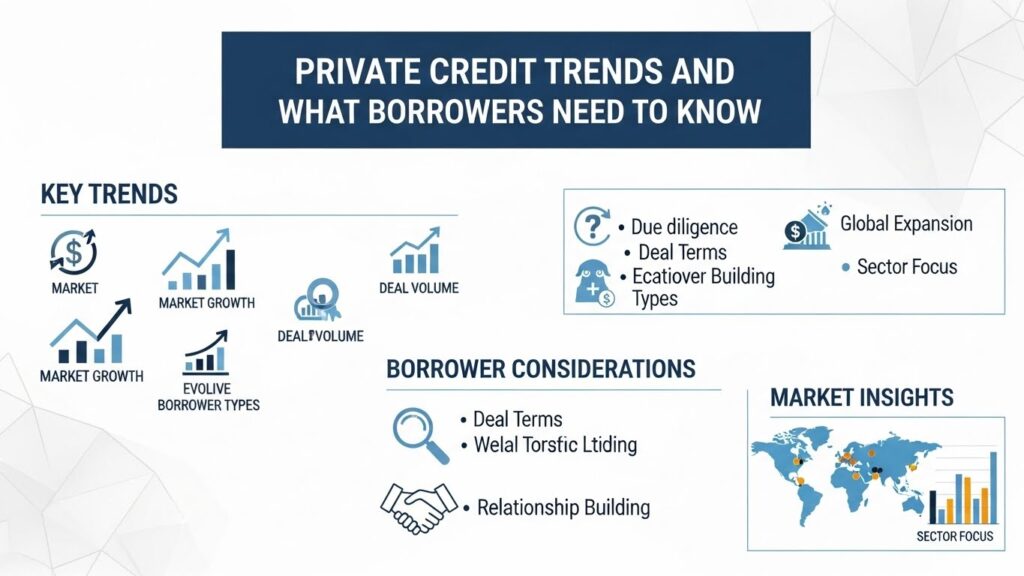
Private credit has rapidly emerged as a significant force in alternative finance, providing businesses with a valuable alternative to traditional banks. As lending markets transform and sources of capital diversify, borrowers must understand what’s fueling the rise of private credit and how it may influence their borrowing options. Working with unbiased experts, such as a fee-only financial planner in Denver, can help borrowers navigate this evolving landscape and ensure they make informed financing decisions. Whether seeking growth capital or refinancing existing obligations, understanding the latest trends can provide borrowers with a crucial advantage.
With private credit now exceeding $2 trillion in assets under management and a growing number of institutional investors involved, market dynamics are shifting, and regulatory frameworks are also being updated. These changes can present new opportunities, but also raise risks—making careful due diligence and strategic planning more important than ever.
The evolution of private credit not only impacts businesses seeking capital but also shapes the broader financial ecosystem. Staying current on key trends is essential for anyone considering this flexible funding avenue.
Growth of Private Credit
In the post-2008 financial crisis era, private credit has grown from a niche asset class to a mainstream solution for business financing. By the end of 2023, the industry managed nearly $2 trillion in assets, representing a more than tenfold increase since 2009. This capital surge is primarily a result of banks pulling back from some commercial lending activities, making room for alternative lenders to step up and meet market demand. Growth has also been driven by private equity sponsors seeking reliable, customizable debt financing for their portfolio companies.
Regulatory Changes Impacting Private Credit
The regulatory environment for private credit continues to evolve. A significant recent shift occurred in December 2025, when U.S. regulators, including the OCC and FDIC, rolled back leveraged-lending guidance that had previously restricted bank involvement in high-risk loans. This regulatory softening is intended to level the playing field, potentially increasing competition and collaboration between banks and private lenders. This update could reshape the market, prompting borrowers to reassess which lending partner best suits their needs—especially for highly leveraged transactions.
Risks and Challenges for Borrowers
While private credit is often lauded for its flexibility and speed, it doesn’t come without risks. With a growing influx of retail investor capital and increasingly complex financial products, there is heightened concern about liquidity, transparency, and stability. Moody’s has recently cautioned about rising default and liquidity risks, especially as economic cycles turn and loan structures become more intricate. Borrowers need to carefully review loan covenants, interest rates, and penalties for breaches before engaging with private lenders. Staying vigilant and seeking guidance from credible industry sources is paramount.
Unitranche Financing: Simplifying Loan Structures
Unitranche loans, which combine senior and subordinated debt into a single facility, are gaining traction among borrowers seeking streamlined and predictable debt solutions. This structure offers advantages such as faster execution and simplified documentation, reducing negotiation timelines and transaction complexity. However, unitranche deals can still be intricate, with “agreement among lenders” provisions that borrowers must fully understand before closing. Collaborating with experienced legal and financial advisors is crucial to mitigating hidden risks in these facilities.
Role of Technology in Private Credit
The infusion of technology into private credit markets is revolutionizing the assessment, monitoring, and servicing of loans. By leveraging real-time data analytics, artificial intelligence, and digital platforms, lenders can more precisely evaluate creditworthiness and proactively identify potential issues. This greater transparency enhances risk management for lenders and fosters more effective relationships between borrowers and lenders. Banks and private credit managers have also begun integrating fintech solutions to streamline operations and accelerate due diligence, according to PYMNTS.
Institutional Investors and Private Credit
The involvement of institutional investors such as pension funds, insurance companies, and endowments has significantly expanded the pool of available private capital. Attracted by the promise of higher yields and flexible deal structures, these investors have transformed private credit into a formidable market segment—one that complements and sometimes outpaces traditional bank lending. For borrowers, this influx means broader access to funds and, in some cases, more bespoke lending terms. However, the scale and diversity of institutional players also introduce new dynamics and competitive pressures to the market.
Conclusion
The evolution of private credit presents both opportunities and challenges for borrowers. As the market matures—with new entrants, shifting regulations, and advancing technology—businesses must adopt a proactive and educated approach when seeking private funding. By staying informed on current trends, regulatory updates, and the intricacies of deal structures, borrowers can secure favorable financing and mitigate potential risks in today’s complex and competitive landscape.