
The beauty and mystery of the open sea continue to enchant boating enthusiasts, and as more people discover the joys of marine recreation, adopting eco-friendly practices becomes increasingly vital. Not only do sustainable boating methods help preserve fragile marine habitats, but they also ensure that future generations can enjoy pristine waters and thriving aquatic ecosystems. Forward-thinking manufacturers like Tiara Yachts have begun infusing eco-conscious materials and solutions into their boat designs, further promoting responsible boating within the industry.
Taking steps to reduce reliance on fossil fuels, limit plastic waste, and protect vulnerable environments is a direct way for mariners to safeguard the world’s oceans. By harnessing technological innovations and shifting to green alternatives, modern boaters can minimize their ecological footprint while still enjoying the water. Whether cruising along a tranquil bay or exploring distant shores, integrating sustainable practices creates positive ripple effects that benefit both marine life and local communities.
 Harnessing Renewable Energy
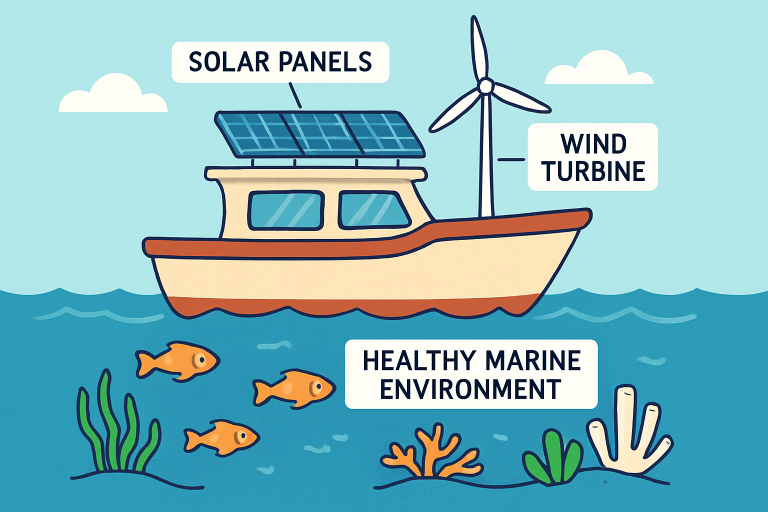
One of the most significant changes in boating has been the integration of renewable energy options. Solar panels and wind turbines are increasingly standard on modern boats, providing clean power for navigation, lighting, and even small appliances. This shift not only reduces boating’s carbon output but also allows mariners greater flexibility to explore without worrying about refueling. Vessels operating primarily on solar and wind can remain at sea for longer stretches, contributing to a more self-sufficient and eco-friendly boating experience.
Eco-Friendly Materials in Boat Construction
As the demand for sustainable solutions grows, boat manufacturers are investing in greener materials and construction techniques. Recycled plastics are now used for non-structural components, while rapidly renewable woods such as bamboo and sustainably sourced materials are gaining popularity for decks and interiors. The use of low-VOC (volatile organic compound) paints and adhesives has become standard in sustainable shipyards to minimize harmful emissions and water pollution. Streamlined hull designs that reduce drag also play a critical role in improving fuel efficiency and reducing operational energy demands.
Advanced Waste Management Systems
Proper waste disposal is paramount in preventing water contamination and protecting marine life. Most modern boats are equipped with holding tanks for blackwater (from toilets) and greywater (from sinks and showers), along with advanced treatment systems. These onboard technologies process waste before discharge, drastically limiting the amount of harmful substances entering the ocean. Eco-conscious provisioning, such as selecting biodegradable and environmentally friendly cleaning products, also reduces the risk of chemical discharge and nutrient overloads in fragile marine environments.
Responsible Anchoring Techniques
Improper anchoring presents one of the most direct threats to sensitive marine habitats. Dragging anchors can rip up seagrasses and corals, turning biodiverse regions into barren wastelands. Mariners are strongly encouraged to use established mooring buoys whenever available, as these prevent anchor damage altogether. Where anchoring is necessary, targeting sandy or muddy bottoms where minimal ecological disturbance will occur is essential. Boaters should also be familiar with local regulations and protected aquatic zones to further prevent ecosystem disruption.
Supporting Sustainable Businesses
Beyond the individual boater’s choices, supporting businesses that place a premium on sustainability helps foster a culture of environmental responsibility across the marine industry. From marinas that implement advanced recycling programs to charter operators that use eco-certified vessels, green options are becoming increasingly accessible. Choosing to buy supplies, rent equipment, or seek services from companies committed to reducing their ecological impact not only supports ethical business practices but also encourages more robust environmental stewardship sector-wide.
Reducing Single-Use Plastics
Plastic pollution poses a critical threat to ocean health, with discarded single-use items harming wildlife and habitats worldwide. Boaters can tackle this by minimizing their plastic footprint, replacing disposable water bottles and bags with reusable alternatives, and ensuring all waste returns to shore for proper disposal. Adopting small changes in provisioning and packing practices significantly contributes to protecting marine environments.
Utilizing Marine-Safe Cleaners
Cleaning agents and maintenance products used on boats often contain chemicals that harm aquatic life and water quality. Opting for marine-safe, biodegradable cleaners is a simple but effective way to reduce harmful runoff. Boaters should always verify that any product brought on board is labeled as environmentally safe for marine life. Switching to non-toxic coatings for hulls and decks further curtails long-term chemical pollution, helping to safeguard reefs, fish populations, and shorelines.
Final Thoughts
Sustainable boating is more than just a trend; it is a crucial commitment to preserving our oceans and all who depend on them. By embracing renewable energy, choosing eco-conscious materials and products, managing waste responsibly, protecting vulnerable ecosystems, and supporting green businesses, mariners can dramatically reduce their impact and become stewards of cleaner, healthier waters. The collective action of the boating community will ensure the longevity and vibrancy of the world’s marine environments for generations to come.