
Designing a flower garden that blooms beautifully in every season may seem challenging, but with thoughtful planning and a commitment to year-round care, it is entirely achievable. The key lies in choosing the right mix of plants, embracing diverse designs, and focusing on sustainable gardening practices. By following expert tips and partnering with seasoned professionals like My Sons Landscape, you can transform your outdoor space into a perennial haven that remains captivating year-round.
Unlocking a garden’s true potential requires a blend of creativity and horticultural know-how. With the right strategies, you can enjoy waves of blossoms from early spring through winter, making your garden a continuous source of inspiration and relaxation. Integrating a blend of annuals, perennials, and biennials, while factoring in structural and ecosystem-friendly choices, ensures your space remains visually dynamic and ecologically healthy. Whether you are an experienced gardener or just starting out, these practical steps can help elevate your garden into a true landscape masterpiece.
Everyone seeks a garden that draws the eye in every season. Planning for ongoing interest and biodiversity goes beyond visual appeal, providing refuge and resources for essential pollinators and wildlife. A thoughtful selection of plants and an emphasis on soil health, eco-friendly pest management, and water conservation combine to create a flourishing garden with a minimal ecological footprint. With skilled guidance and a passion for sustainable methods, you can establish a garden that endures and delights.
Choose a Diverse Selection of Plants
A well-designed garden incorporates a harmonious blend of annuals, perennials, and biennials, each contributing distinct benefits to the landscape. Annuals such as petunias and marigolds burst with color in a single season, creating immediate visual impact. Perennials like peonies and daylilies return year after year with reliable blooms, forming the backbone of long-term beauty. Biennials, including foxgloves and hollyhocks, fill in the gaps by blooming in their second year, ensuring there is never a lull in the garden’s spectrum.
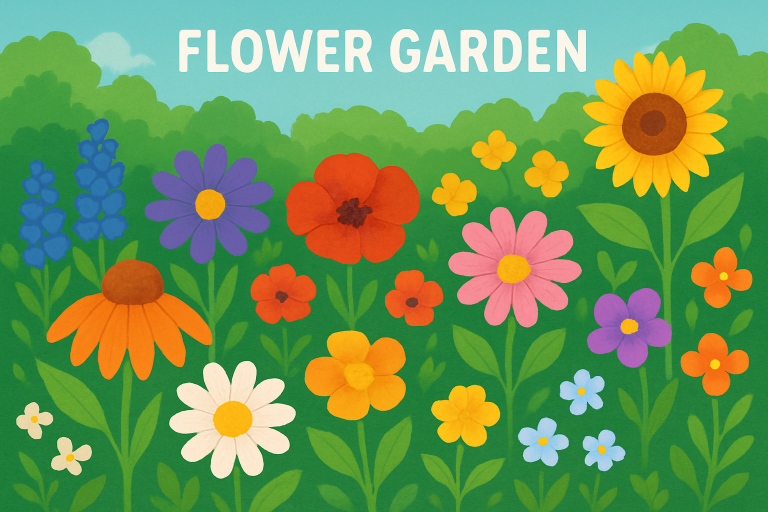 Carefully plan for staggered flowering by mixing early-, mid-, and late-season bloomers. This approach guarantees waves of color across the seasons, with something always coming into bloom as other flowers fade. Creating a bloom calendar tailored to your climate will maximize the garden’s potential and eliminate periods of dormancy.
Plan for Seasonal Interest
An exceptional flower garden offers continual visual appeal by celebrating each transition of the year. In spring, tulips, daffodils, and hyacinths introduce fresh color and fragrance. Summer perennials like coneflowers, black-eyed Susans, and phlox usher in vivid hues and visiting pollinators. As autumn arrives, asters, sedum, and chrysanthemums prolong the bloom cycle, while ornamental grasses provide texture and movement.
Do not overlook winter. Include plants that provide off-season interest, such as evergreens, witch hazel, and shrubs with colorful berries. Their persistent foliage, architectural stems, and bursts of color keep the garden engaging even in the colder months. According to experts at the Royal Horticultural Society, planning for year-round gardens is about harnessing contrast and diversity to maintain energy and beauty through all four seasons. A well-chosen structure, be it a decorative path or a small seating area, can anchor the design and invite year-round enjoyment.
Incorporate Structural Elements
In addition to thoughtful plant choices, a garden’s design is elevated by its use of structural elements that draw the eye and add dimension. Arbors, trellises, pergolas, and decorative fencing support climbing plants and vines, creating visual focal points. Structures bring height and drama to a flat space, making the overall design more dynamic.
Vines such as clematis, morning glories, and climbing roses thrive on these supports, providing lush vertical displays that blend functional support with floral splendor. Smart placement of benches, birdbaths, or even a small fountain enhances both beauty and tranquility.
Maintain Healthy Soil
The secret to a thriving flower garden starts beneath the surface. Soil health is essential for robust growth and repeated blooms. Begin by enriching the soil with generous amounts of organic matter, such as compost or well-rotted manure, which boost fertility, improve drainage, and encourage beneficial microorganisms. Regularly test soil pH and nutrient levels using affordable kits to make informed amendments and corrections. Mulch garden beds to retain moisture, suppress weed growth, and gradually add organic content as it breaks down.
Attending to soil health not only strengthens plant livelihoods but also reduces the need for chemical fertilizers, fostering a sustainable ecosystem that supports both the gardener and the garden.
Implement Eco-Friendly Pest Control
Protect your blooms and the environment by encouraging natural pest control methods. Attracting beneficial insects such as ladybugs and lacewings, as well as garden birds, helps keep populations of harmful pests in balance. Planting a variety of species draws in these allies organically. Should pests threaten your plants, select non-toxic treatments like neem oil or insecticidal soap over chemical alternatives. Practicing crop rotation and removing diseased foliage also helps maintain a healthy garden environment.
Water Wisely
Effective watering sustains plant health while conserving critical resources. Water deep and infrequently, rather than shallow and frequently, which promotes strong root systems. Schedule watering during early mornings or evenings to minimize evaporation. Install drip irrigation systems or soaker hoses, which efficiently deliver water directly to plant roots, reducing run-off and overall consumption.
Cluster plants with similar moisture needs together, making it easier to provide appropriate care without waste. Collecting rainwater in barrels also provides a sustainable irrigation solution, especially during dry spells or water restrictions.
Regular Maintenance
Maintaining a vibrant garden requires ongoing attention and effort. Regularly deadhead spent blooms to encourage new ones and prevent unwanted self-seeding. Prune shrubs and perennials to maintain shape, health, and air circulation. Stay vigilant for weeds and remove them before they compete with your flowers for nutrients and water. Seasonal maintenance, such as dividing overgrown perennials or planting spring bulbs in the fall, ensures future vitality and extends the life of your garden.
Embrace Native Plants
Native plants provide an essential foundation for a healthy, self-sustaining garden. Adapted to your region’s climate and soil conditions, they typically require less water and maintenance compared to nonnative species. Native wildflowers, shrubs, and grasses support local pollinators such as bees, butterflies, and birds, thereby becoming integral to the area’s ecological health. By prioritizing native selections, you promote biodiversity, resilience, and beauty in your garden.
Crafting and maintaining a flourishing flower garden is a rewarding journey. By blending practical planting strategies, thoughtful design, eco-friendly practices, and plants that thrive in your region, you create a landscape that enchants in every season and stands as a testament to sustainable beauty.