Introduction
Staying up to date with your insurance coverage is not just good practice; it’s essential for your financial security. Life unfolds in unexpected ways, and what worked for you last year may not provide the protection you need today. As your circumstances shift, reviewing your policies lets you uncover savings, gain peace of mind, and avoid costly surprises. To ensure a comprehensive strategy, consider consulting experienced agencies such as Mountain Insurance for professional guidance.
Insurance reviews enable you to tailor your coverage as your life evolves, keeping you protected against new and emerging risks. Whether it is about saving money or ensuring your loved ones have the safety net they deserve, paying attention to your policies is a foundational part of responsible financial planning.
What Is an Insurance Review?
Insurance reviews go beyond just skimming through your paperwork during renewal season. An insurance review is a thorough process in which you examine your existing coverage, such as auto, home, life, health, and other policies, to identify gaps and overlaps. Through this process, you can trim unnecessary options, adjust your deductibles, and potentially unlock valuable policy discounts. This approach not only ensures your coverage remains relevant but also eliminates unnecessary expenses and positions you for savings.
Key Life Events That Warrant a Policy Review
- Marriage or Divorce: Life partnerships and separations change financial responsibilities and asset ownership. Adjusting your policies right after a marital change is vital, as beneficiaries may need to be updated, and combined assets typically require a shift in coverage limits.
- Birth or Adoption of a Child: Welcoming a new family member means ensuring you have adequate health, life, and possibly disability coverage to protect your dependents.
- Home Purchase or Renovation: If you buy a new home or substantially renovate an existing one, your homeowner’s policy must reflect changes in value, structure, or even location-based risks.
- Career Changes: Shifts in employment status, including a new job, job loss, or starting a business, all have implications for life, health, and disability insurance needs. Income adjustments could also affect the right amount of coverage for you.
- Retirement: Entering retirement usually warrants a reduction in certain coverages (such as commuter car insurance), tweaks to health policies, and a possible rethink of life insurance based on your new sources of income and expenses.
 Annual Policy Renewal: A Prime Time for Review
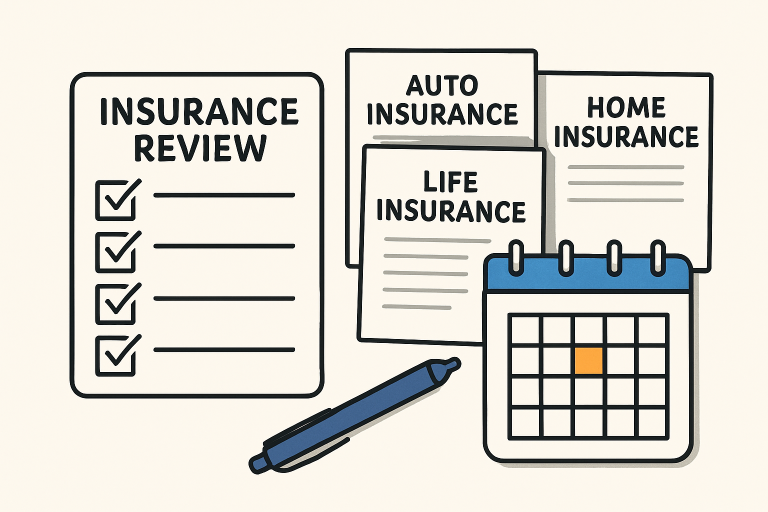
The time when your policy comes up for renewal presents a natural opportunity to reassess your insurance. Many insurance companies review and adjust policy rates, terms, and available discounts every year. Taking a close look at your insurance during renewal ensures you are never overpaying and that your coverage still fits your lifestyle.
Economic Factors Influencing Insurance Needs
Economic shifts, such as inflation or higher construction material costs, can significantly affect your policy coverage. For example, a rise in home values or repair costs might mean that your homeowner’s insurance is no longer enough to cover a rebuild after a disaster. Regular reviews help ensure your coverage keeps up with inflation and market realities. According to Consumer Reports, reviewing your policy regularly can help you avoid being underinsured due to inflation and market changes.
Common Pitfalls of Neglecting Policy Reviews
- Underinsurance: Failing to update coverage can leave you exposed to enormous out-of-pocket expenses when disaster strikes or medical needs arise.
- Overpayment: Retaining unnecessary coverage, such as insuring vehicles or properties you no longer own, costs money that could be put to better use.
- Missed Discounts: Insurance markets are competitive and evolving. New discounts and packages are released regularly, so keeping the same old policy may lead to missed opportunities for better rates.
Steps to Conduct an Effective Insurance Review
- Gather All Policy Documents: Collect digital and print copies of every insurance policy you own. This includes auto, home, renters, life, health, and supplemental options.
- Assess Life Changes: Note any events or shifts in your life or finances since your last review. This will illuminate areas needing more or less coverage.
- Evaluate Coverage Needs: Compare your current situation with your policy details. If coverage amounts, types, or beneficiaries no longer make sense, mark these for adjustment.
- Consult with an Insurance Professional: Work with an agent or advisor to dig into policy details. Experts can spot gaps, redundant coverage, or available discounts you might overlook.
- Compare Rates and Discounts: Shop around for quotes and ask about new market discounts.
Final Thoughts
Insurance is not a set-it-and-forget-it product. Life changes, so too should your protection. By conducting regular policy reviews, you defend against financial exposures, prevent overpayments, and ensure you are always getting the most from your coverage. Staying proactive puts you, and those who depend on you, in a stronger financial position for whatever comes next.